














































Dec 02, 2025
( 0 )
Discover the fascinating history behind why Indians use “JCB” and “Poclain” as generic terms for all excavators. Learn how early market dominance shaped construction language and why machine specifications matter more than brand names today.

If you visit a construction site in India, there’s a good chance you will hear a worker shouting, “Where’s the JCB?” In some parts of the country, people say, “Where’s the Poclain?” The odd part about this is that the machine referred to may not actually be manufactured by JCB or Poclain. The supervisor may have other brands of excavators in mind that would not be associated with either of these companies, but everyone knows exactly what he is saying. This demonstrates how history, familiarity, and strong brand identity have influenced the language used in Indian construction.
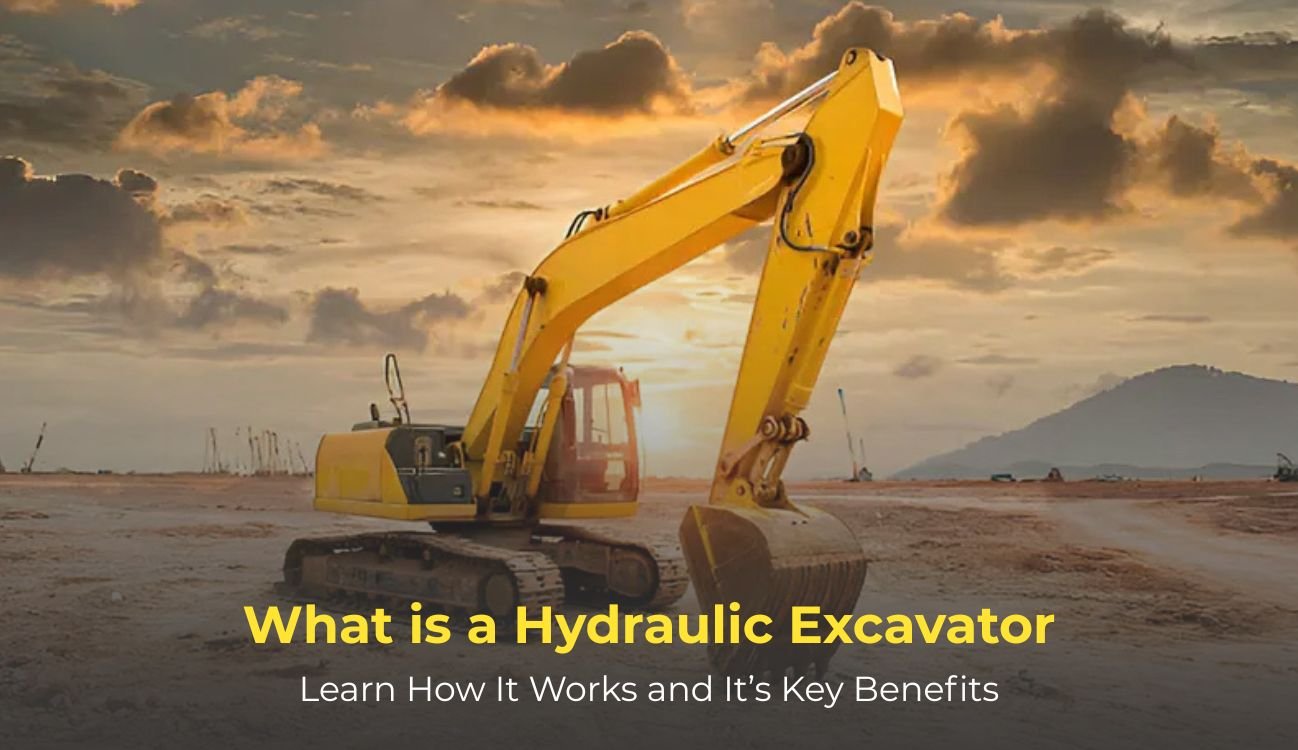
An excavator is a heavy construction equipment. It is generally used for excavation purposes, handling raw materials, digging trenches, breaking structures, and lifting materials. A typical excavator consists of a boom, dipper, bucket, and cab that rotates on either tracks or rubberized wheels. The design feature of this type of machine allows for a relatively narrow footprint, which is important for safe and accurate excavation, deep trenching, moving dirt, and demolishing buildings.
Our heavy construction equipment platform, Desi Machines lists a wide range of excavators. There are categories of mini excavators, medium excavators, and large long-reach excavators for mining and industrial purposes. These excavation machines are indispensable in construction, infrastructure development, irrigation, quarrying, and land clearing.
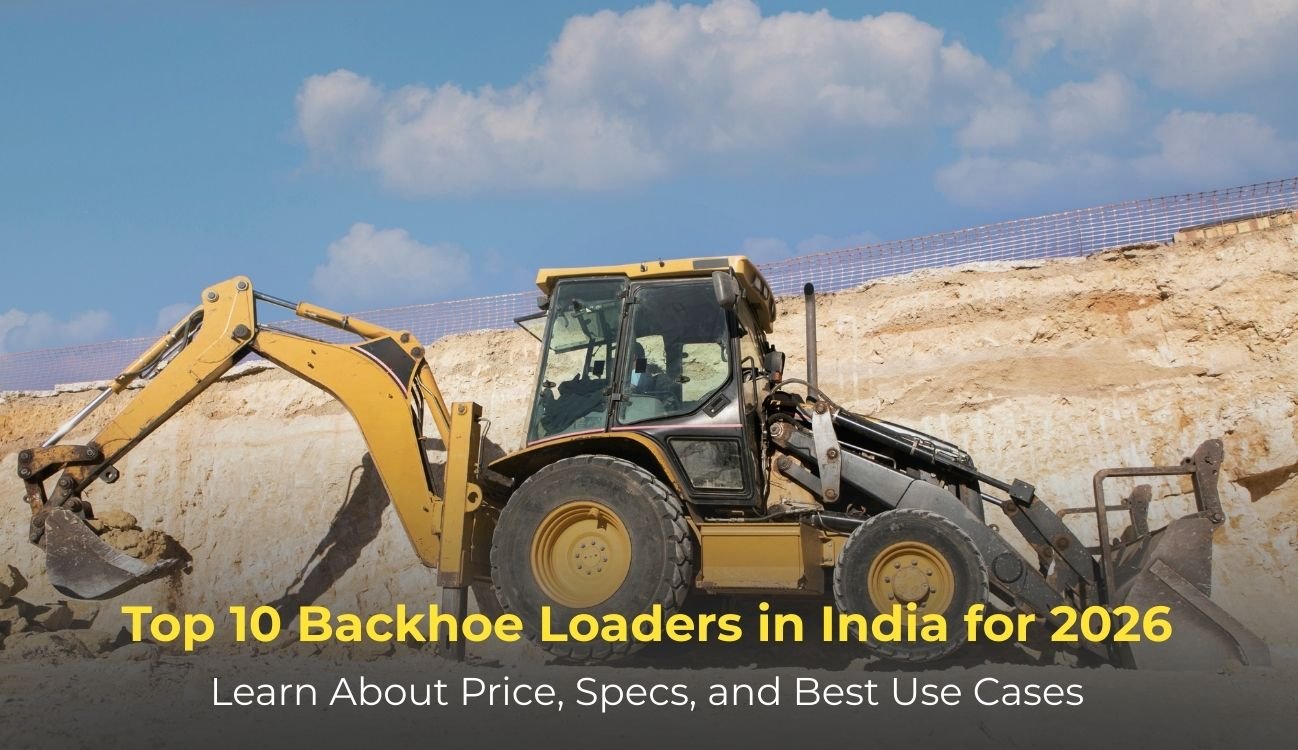
JCB entered India very early and built strong visibility in both metro and rural markets. The company promoted easy financing, wide dealer networks, and efficient after-sales service. The excavator and backhoe loader models of the company became a common sight for road construction, rural development works, irrigation projects, and mining work.
Thus, laborers and contractors started using the shorthand for deploying digging work: “Call the JCB.” In other words, this phrase is an abbreviation for “bring the excavation machine.” Even if the actual machine came from brands such as Hyundai, Tata Hitachi, Komatsu, or XCMG, the term JCB prevailed because of its simplicity and instant recognizability.
Over time, such usage transformed into a generic identity wherein JCB refers to an excavator regardless of the brand.
Once a brand becomes part of everyday vocabulary, it rarely leaves. JCB’s visibility made its mark on daily speech on work sites, in villages, and in small contractor groups. The difference between backhoes and tracked excavators is usually minimized; the term JCB was enough to communicate the need effectively. Even younger workers, who have never driven an actual JCB, continue to use the name to describe any excavator as a JCB. The early market leader, therefore, dictated subsequent linguistic convention.
JCB’s popularity blended into daily speech at worksites, in villages, and in small contractor groups. People did not feel the need to specify whether the machine was a backhoe or a tracked excavator. They simply said JCB because it communicated the job requirement quickly and clearly.
Even young workers who have never used an original JCB still call every excavator machine a JCB. The first brand to dominate the market shaped the language that followed.
Poclain was one of the first companies to enter the excavating industry when it introduced the first hydraulic excavators. The excavators manufactured by Poclain became dominant equipment in both mining and construction activities. Poclain was a French corporation created through the innovation of hydraulic excavator systems, and their excavators became the symbols of early excavating technologies for many major excavating projects.
Due to the widespread popularity of the brand “Poclain,” older workers taught younger workers that this term referred to all large excavators, so the name “Poclain” has become identified with heavy, tracked, earthmoving equipment, especially for quarrying or large foundations. Today, the term Poclain excavator machine is still used colloquially in southern and eastern India to refer to tracked excavators produced by other manufacturers.
JCB stands as the conventional term in northern and central India for excavation or digging. The company’s prominence in constructing roads and irrigation projects underpinned its widespread usage. Therefore, even when the machine belongs to Tata Hitachi or Hyundai, workers often ask for “JCB le aao.”
In southern and eastern regions, Poclain established an early foothold through mining and infrastructure projects. A number of the initial hydraulic excavators in these areas were based on designs from Poclain, so there remains the common inclusion of “Poclain excavation machine” concerning large excavators. Among older operators, the association with Poclain would remain remembered as part of professional heritage even as technology evolves.
So is it incorrect to call every excavator a JCB or Poclain? No, it is not. In informal communication at job sites, it is acceptable to use these shorthand terms, since they denote the same type of equipment to perform a particular task. For example, if someone were to say “Bring the JCB,” everyone on site would know that they need an excavation machine to begin working.
However, the informal use of these shorthand terms can confuse professional procurement/rental processes. For instance, if a company requests a “JCB,” in actuality, they might want a tracked excavator, not a backhoe loader; similarly, if a company requests a “Poclain,” this request may ultimately mean they actually want a mid-size machine rather than a smaller hydraulic excavator.
Decision-making becomes more accurate when buyers focus on specifications instead of brand names.
Modern excavation projects require relevant machine size, engine power, and bucket capacity. Manufacturer-specific references may mask important differences in performance, as shown by the following examples:
For example:
These machines are all excavators, yet they are designed for completely different kinds of work. A Poclain excavation machine used for mining cannot be used for small land leveling. A compact excavator machine cannot be used to handle heavy mining boulders.
Platforms like Desi Machines help prevent mismatch by providing full technical details, including operating weight, digging depth, attachments, hydraulic performance, cycle time, and price.
Contractors and purchasers should first ask themselves the following questions before buying an excavator machine.
The correct excavator is chosen when the need defines the brand, instead of letting the brand define the decision. Desi Amchines has a team of industry experts who will guide you through these questions.
Also Read: The Complete Guide to Poclain Machines: Choosing the Right Excavator for Your Project
The habit of calling every excavation machine JCB or Poclain reflects several truths about India:
But with rising competition, modern projects demand clarity. Excavator choices affect cost per hour, fuel consumption, productivity, and delivery schedules. The more clarity buyers have, the more efficient the project becomes.
Calling excavation machines “JCB” or “Poclain” is not just a habit. It is a window into history and the evolution of construction culture in India. These names represent trust and familiarity built over decades. But today the construction sector has changed, and hundreds of machines compete based on real performance, not just brand recall.
Platforms like Desi Machines bring transparency by listing excavator machines with complete data. A buyer can compare operating weight, engine power, digging depth, attachments, fuel efficiency, price, and resale value before making a purchase.


Top 10 Backhoe Loaders in India for 2026 : A Comprehensive Guide
Desi Machines is a platform where you can see and compare construction equipment. It showcases images, brochures, features, technical specifications, brand details & dealer information. All these are taken from respective brand websites, brochures, and other public resources. We do not claim ownership of these materials and strive to ensure their accuracy. However, the disparity may happen and we advise users to verify directly with respective brands and dealers. Desi Machines is not liable for any inaccuracies or reliance on the information provided. Use of this website is at your own discretion.