Excavator
294 models
Excavator
294 models  Backhoe Loader
51 models
Backhoe Loader
51 models  Crane
68 models
Crane
68 models  Concrete Mixer
79 models
Concrete Mixer
79 models  Wheel Loader
54 models
Wheel Loader
54 models  Compactor / Roller
45 models
Compactor / Roller
45 models  Motor Grader
42 models
Motor Grader
42 models  Concrete Pump
66 models
Concrete Pump
66 models  Skid Steer Loader
11 models
Skid Steer Loader
11 models  Telehandler
13 models
Telehandler
13 models 


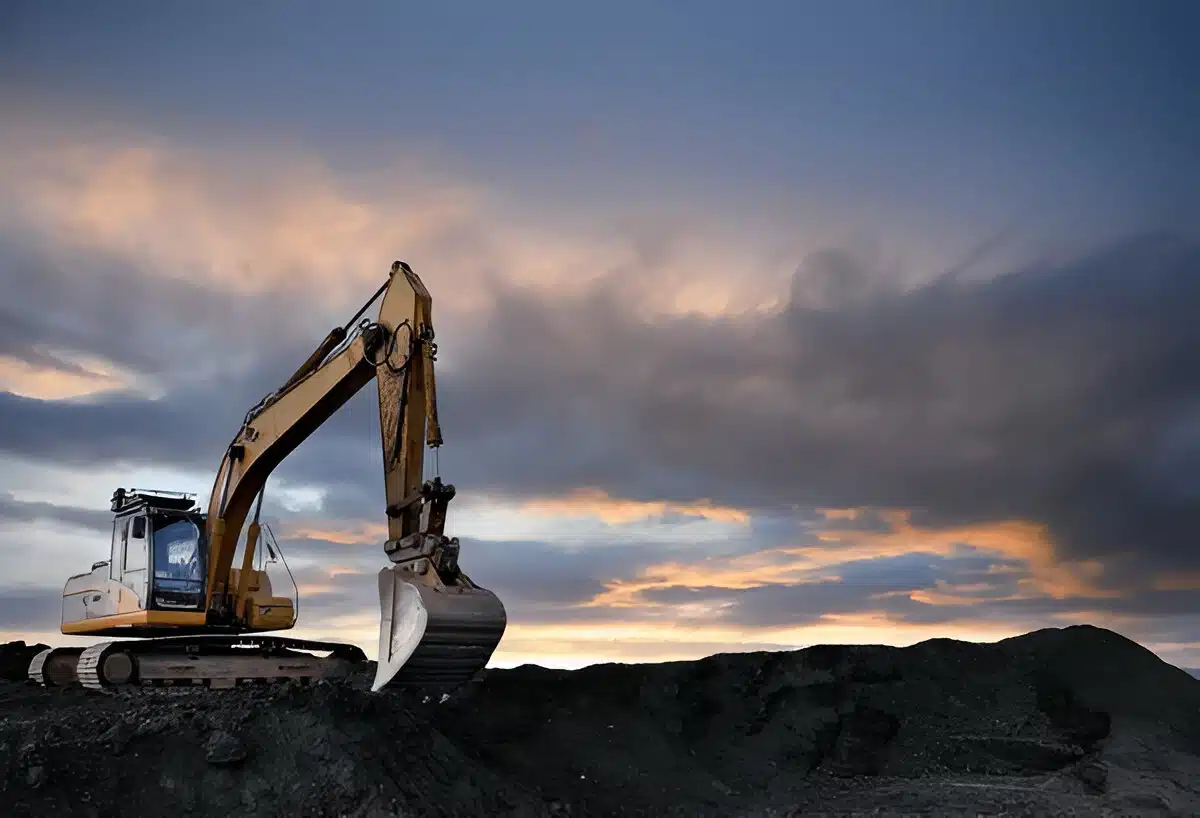
Grade control system — quick answer: A grade control system uses sensors, and on 3D kits GNSS positioning, to tell the operator exactly where the bucket edge sits against design grade. Choose 2D for trenching, footings and single-slope work where you only need depth and slope held against a laser reference — it is the cheaper kit and needs no site model. Choose 3D when the job has a digital design model, compound slopes or large earthworks, because it controls position as well as depth. The payback is re-work you never do: most owners quote a third off staking and checking time.
Introduction
Excavation is a primary and most demanding task for an excavator. Any construction projects like road building, utility installations, or large-scale infrastructure require efficient excavation. Nowadays, modern excavators are equipped with technology that offers precision excavation. If advanced technology is not used, it could lead to increased downtime, delays, costs, and rework. This is the reason why the Grade Control for Excavator system is essential. This technology increases precision and productivity.
Grade Control System is equipped with advanced sensors, GPS, and laser technologies to ensure grading is done in precision. It allows an operator to excavate in-depth and slopes precisely. This system reduces the rework as it accurately does the desired job by using advanced technology comprising sensors, GPS, and real-time data to guide the excavator. The modern construction process has become more complex, so precise and accurate excavation has become a necessity. In this blog, we will explore the guidelines for choosing the right grade control system when buying an excavator.
What is a Grade Control System for Excavators?
A Grade Control System is an advanced excavator technology that allows an operator to do earthmoving tasks precisely and efficiently. This system includes features like accuracy and precision, reducing human error and increasing productivity. The demand for Grade Control System is increasing with the complexity of modern construction projects. This system aligns the excavator according to the project requirement and maintains the desired grade or level throughout the project. This system lets the operator adjust the excavation in between the excavation process without any difficulty or intervention of additional tools.
In modern earthmoving operations, the use of a grade control system is very crucial to ensure the stability and integrity of the project’s structure. A grade control system offers a high degree of accuracy, reduces human error, and increases productivity. It uses sensors, GPS, and other advanced tools to monitor and control the excavator’s bucket or blade. It also provides real-time feedback to the operator which helps them to maintain desired grade and elevation. That shows up as fewer re-digs, deadlines that hold, tighter cost control and a safer bench, because the operator is not guessing at grade.
In construction operations grade control system is essential for tasks such as leveling, trenching, or slope grading. This advanced technology helps the operator to maintain the correct angle, depth, and alignment, leading to faster and more efficient operations.
Types of Grade Control Systems for Excavators
Retrofit kits fit most machines, but factory-ready options are commonest in the 20-tonne class — see the medium excavator range for the sizes these systems are usually specified on.
Grade control for excavators is very much essential for modern-day construction. They ensure precise digging and leveling for the construction site. There are three types of grading technologies available which differ in their unique features depending on the project’s requirement.
2D Grade Control System
This technology uses sensors and a display that guides the operator to excavate at the correct depth and angle of elevation of the excavation. This system uses a sonic or laser sensor to continuously maintain elevation to the reference point or existing surface.
Features and Benefits
- It helps the operator to maintain consistent depth and elevation.
- It simplifies the leveling process by introducing automation.
Advantages
- It is cost-effective compared to other advanced grade control systems.
- They are ideal in simple projects where no complex grading requirement exists.
Disadvantages
- This system is limited to only vertical (depth) and slope. Horizontal control is not available.
- This grade control system is less suitable for large-scale construction projects that require more precision.
3D Grade Control System
This technology controls vertical as well as horizontal grading. It uses a combination of GPS, machine sensors, and a digital project model to guide the operator in the excavation process.
Features and Benefits
- It allows real-time adjustments to the depth and direction of the excavation.
- It is suitable for those projects that require complicated grading, such as large-scale construction, road construction, or complex earthworks.
Advantages
- It offers high accuracy and precision work
- It is best suited for large-scale projects.
Disadvantages
- The installation and maintenance are higher.
- Require skilled and experienced operators.
Laser and GPS-Based Systems
This is the most advanced system that uses Laser and GPS, which are the most advanced technology that offers real-time grade control. It uses laser fixed laser transmitter to create a reference plane and GPS uses satellite signals to track the excavator’s position.
Real-Time Adjustments:
- In areas where laser might not cover, GPS is used to control precisely.
- The laser system is used in small and medium-scale projects for specific elevation control.
When to Choose:
- Where simple work is there for simple elevation control, there laser system can be an option.
- In large and expansive areas where work scope includes grading or earthworks on construction sites, GPS offers flexibility and accuracy.
Conclusion
A 3D kit is a five- to six-figure add-on, so most buyers fold it into the machine loan rather than paying cash — our equipment finance page covers how attachments and technology packages are treated.
Each system is designed for a particular scope of work depending upon its complex nature. While a 2D-grade control system can be used for simple, small-scale work, 3D and GPS technologies can be used for intricate and large-scale operations in heavy construction equipment. In modern scenarios using of the grade control system is necessary to increase productivity. It helps to reduce operating costs and time. When you use a grade control system there are fewer chances of mistakes, projects are completed faster, reduced costs, increased uptime, and work is done more efficiently. So, it is very much required to understand the scope of the work and complexity of the work before choosing the grade control system for your excavator.
Specifications and dealer offers change between model years — confirm the current spec, warranty and service terms with our team or the OEM before you commit.