What is pipeline construction equipment?
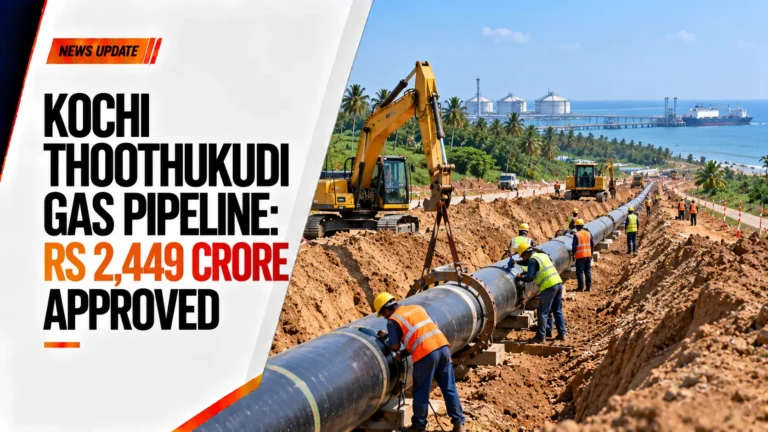
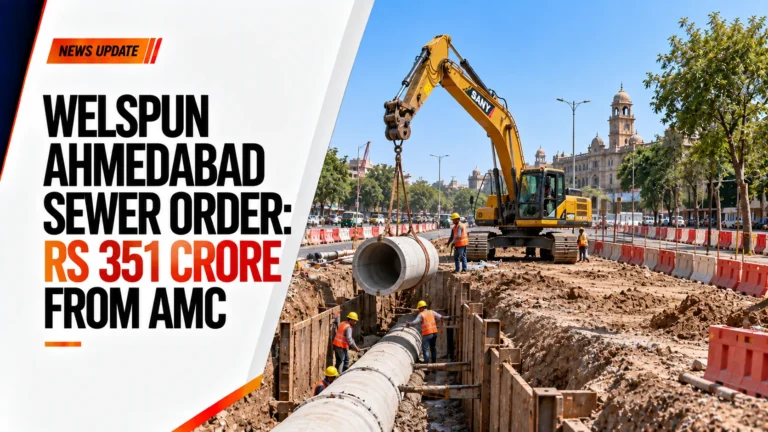
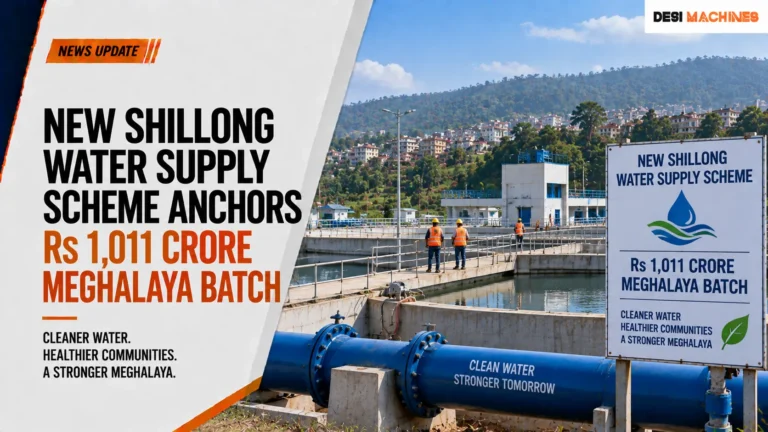
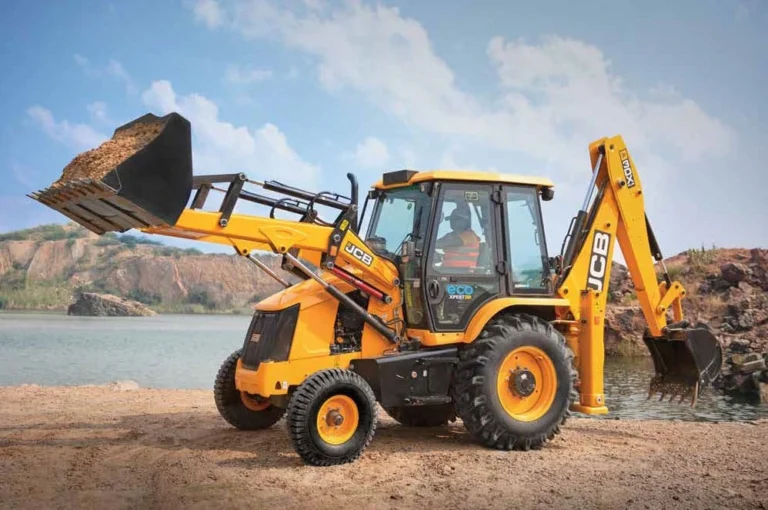
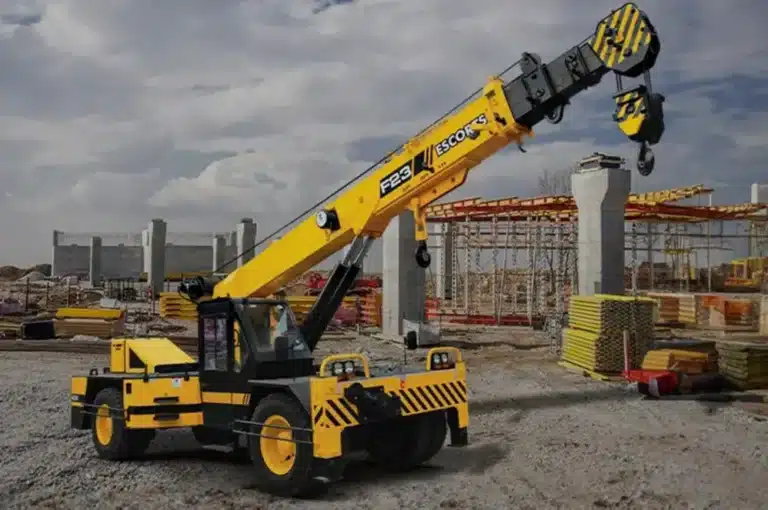
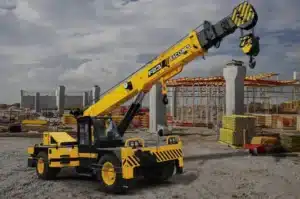
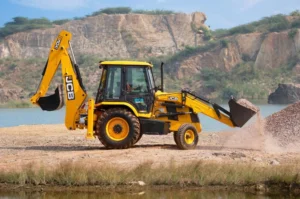
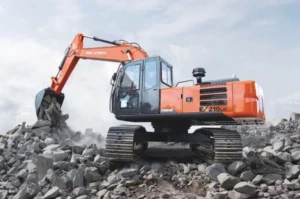
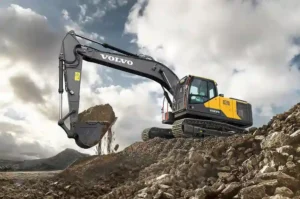
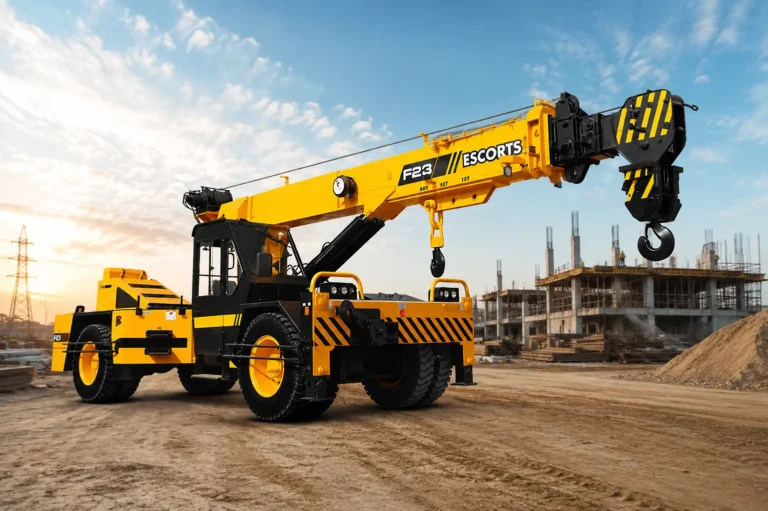
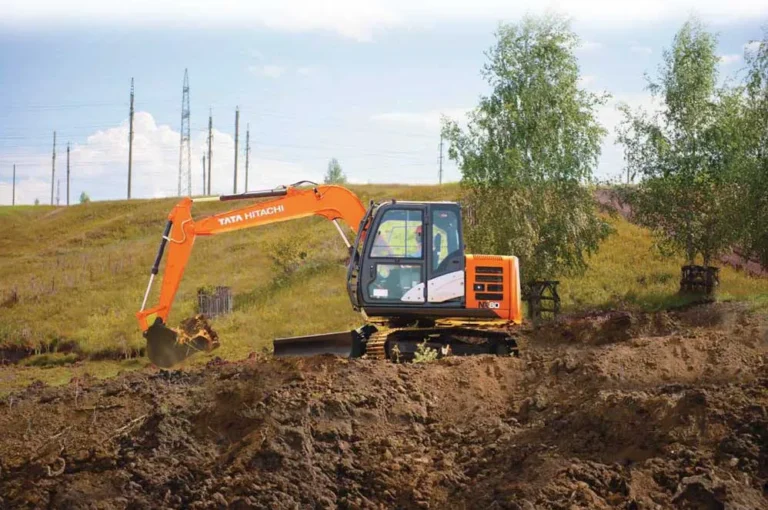
Pipeline construction equipment is the set of machines that dig the trench, lay the pipe and close the ground again on water supply, sewer, gas and oil lines. On most water and sewer jobs in India the trench is dug by an excavator or a backhoe loader. Pipes are unloaded and lowered with a pick and carry crane, and the backfill is spread and compacted in layers before the road is restored. Treatment plants, pumping stations and manhole chambers add concrete work, so transit mixers are on site too.
Cross-country gas and oil lines bring in machines DesiMachines does not list. Pipelayers with side booms carry and lower welded pipe strings. Horizontal directional drilling rigs take a line under a road, river or railway without an open cut. Trenchers, welding sets and dewatering pumps for wet trenches work alongside.
Where is this work concentrated in India?
Pipe work follows the scheme that pays for it. Under the Jal Jeevan Mission, the Ministry of Jal Shakti reports that Goa, Haryana, Telangana, Gujarat, Himachal Pradesh, Punjab, Mizoram and Arunachal Pradesh have given a tap connection to every rural household, so the rural pipe-laying still to come sits in the other states.
Sewerage work is heaviest along the Ganga. The Ministry of Jal Shakti says most projects under the Namami Gange programme are sewage works, for towns on the river’s main stem in Uttarakhand, Uttar Pradesh, Bihar, Jharkhand and West Bengal.
Long gas and oil lines run through the east. According to the Ministry of Petroleum and Natural Gas, GAIL’s Pradhan Mantri Urja Ganga gas pipeline crosses Uttar Pradesh, Bihar, Jharkhand, West Bengal, Odisha and Assam. The Prime Minister’s Office says Indian Oil’s Haldia to Barauni crude oil pipeline passes through Bihar, Jharkhand and West Bengal. Each state page lists the machines, dealers and tenders for that state.
Who awards and builds pipeline and water supply work?
Water and sewer schemes are tendered by state water boards, public health engineering departments and city bodies, and built by contractors. Gas and oil pipelines belong to the oil and gas companies. Most machine owners reach this work by hiring to one of these contractors or their sub-contractors. The list is alphabetical, not a ranking.
| Body or company |
What it builds, owns or runs |
| Delhi Jal Board |
Water supply, water treatment plants and sewerage for Delhi |
| EMS Limited |
Water supply and sewerage contracts: pipe networks, water and sewage treatment plants and pump houses |
| GAIL (India) |
Owns and runs natural gas and LPG pipelines across the country |
| Indian Oil Corporation |
Builds and runs cross-country crude oil pipelines, including the Haldia to Barauni line |
| Larsen & Toubro |
Its water and effluent treatment business lays transmission and distribution pipelines and builds reservoirs and pump houses |
| Megha Engineering & Infrastructures |
Drinking water schemes with long pipe networks, pump houses and treatment plants |
| NCC Limited |
Drinking water pipelines, treatment plants, underground drainage networks and sewage treatment plants |
| Tamil Nadu Water Supply and Drainage Board |
Builds water supply and sewerage schemes across Tamil Nadu outside the Chennai metro area |
| Uttar Pradesh Jal Nigam |
Water supply and sewerage schemes for the state and its local bodies |
| VA Tech Wabag |
Drinking water, wastewater and desalination treatment plants |
The firms that make the pipes these schemes use, and where their plants are, are covered in our roundup of pipe companies in India.

 Excavator
294 models
Excavator
294 models  Backhoe Loader
51 models
Backhoe Loader
51 models  Crane
68 models
Crane
68 models  Concrete Mixer
79 models
Concrete Mixer
79 models  Wheel Loader
54 models
Wheel Loader
54 models  Compactor / Roller
45 models
Compactor / Roller
45 models  Motor Grader
42 models
Motor Grader
42 models  Dozer
41 models
Dozer
41 models  Concrete Pump
66 models
Concrete Pump
66 models  Skid Steer Loader
11 models
Skid Steer Loader
11 models  Telehandler
13 models
Telehandler
13 models 


 Most asked about
 ₹ 35-39 Lakhs
 ₹47.15 Lakh Onwards*





 New · Sep 2026₹43.75 Lakh Onwards*
 New · Jun 2026₹ 31 - 35 Lakhs