
 Excavator
313 models
 Backhoe Loader
51 models
 Crane
68 models
 Concrete Mixer
79 models
 Wheel Loader
54 models
 Compactor / Roller
45 models
 Motor Grader
42 models

 Concrete Pump
66 models
 Skid Steer Loader
11 models


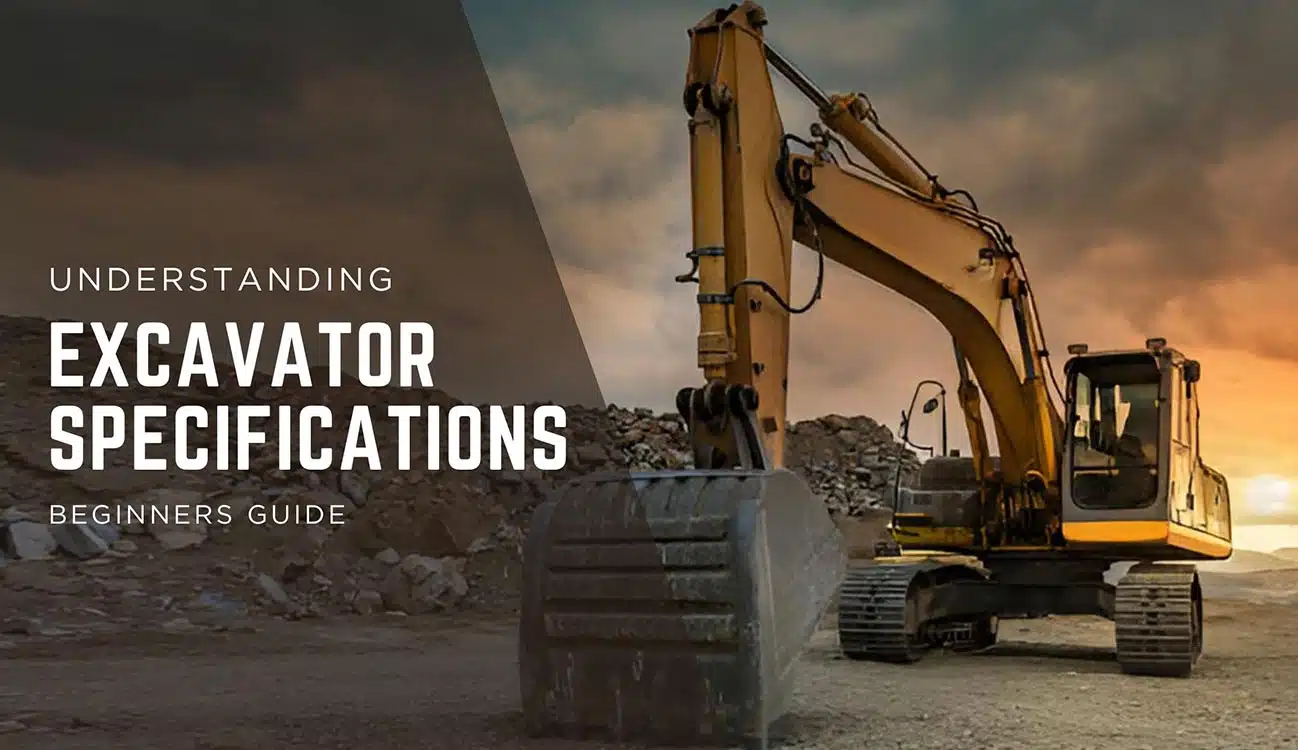
The excavator specifications that decide a purchase are operating weight, engine power, bucket capacity, maximum dig depth and reach, and hydraulic flow. Operating weight sets the class of machine and what can transport it; dig depth and reach decide whether it can physically do your job; bucket capacity and hydraulic flow decide how fast it does it. Everything else on a spec sheet is secondary to those five.
The excavator is the leading and primary product in the construction equipment industry. The demand for excavators is rising with the rising demand of the construction equipment industry. The excavator comes in various specifications, which include shapes, sizes, and attachments. Specifications decide which machine can actually do your job, so they are where to start when choosing an excavator. The specifications should match the requirements, and the business should buy accordingly.
When a business plans to acquire an excavator, it must focus on the specifications. Understanding the specifications of a machine is important because it must coincide with the scope of work. It is a challenge to navigate through complex specifications and understand them.
A business that is new to this industry needs help understanding the specifications to meet the requirements of the business. The sections below take each specification in turn, give the range it actually runs across the excavators sold in India (as of October 2026), and say what it decides on site, so that buyers can get an idea before choosing a model. For a line-by-line walk through a maker’s sheet, see how to read an excavator spec sheet.
Excavator Specs—A Simple Guide for First-Time Buyers
- Engine Power: The engine power of an excavator depends on the size of the machine. The smaller the size, the less the engine capacity, and vice versa. It is generally measured in kilowatts (kW) or horsepower (hp). Across the excavators listed in India as of October 2026, a mini excavator (up to 6 tonnes) runs about 13 to 49 hp, most 6 to 15 tonne machines about 47 to 107 hp, a 20-tonne-class machine about 130 to 200 hp, and a 25 to 50 tonne excavator about 150 to 416 hp; the full class table is in excavator engine power by size. For example, the JCB 30 Plus is a mini excavator that has an engine capacity of 24.7 hp, whereas the JCB 315LC HD is a large excavator with an engine capacity of 221 hp. Mini and mid-sized excavators are used for landscaping and utility works, and large excavators are used for mining, demolition, and large-scale construction work.
- Operating Weight: Excavators come in various sizes—mini, small, medium, large, extra-large, and long-reach excavators. Mini or compact excavators are excavators with a capacity of 0-6 tons and are generally used for landscaping, trenching, and small demolitions. Small excavators are excavators with a capacity of 6-15 tons. Medium excavators are called mid-size excavators with a 15-25 ton capacity. They are generally used for medium-sized construction, utility, or road maintenance jobs. The large excavators are used for large-scale projects. They have a capacity of 25-50 tons and are generally used for massive workloads and digging at greater depths. Extra-large excavators, which have a capacity of more than 50 tons, are generally used in mining and massive excavation. Long-reach excavators are heavy, engine-powered, and are used in dredging, demolition, deep excavation, and reaching areas that are hard to access.
- Digging Depth & Reach: One of the important specifications of the excavator is the digging capacity of the excavator. This specification focuses on tasks like digging, trenching, or foundation work. Different excavators of different sizes have different digging capacities. A mini excavator digs about 2.3 to 3.8 meters at maximum depth, a 20-tonne-class excavator about 5.9 to 7 meters, and a 25 to 50 tonne excavator about 5.9 to 7.7 meters on a standard boom, with long-reach versions going far deeper (as listed, October 2026). Past 20 tonnes, depth barely grows: a bigger machine digs faster, not much deeper. The figures for every class are in excavator digging depth by size class. The deeper the excavator can dig, the more it is suitable for foundation work. The longer the reach of the boom, the more effective the excavator is when the machine cannot be moved.
- Bucket Capacity: The bucket is the attachment at the end of the arm used to dig, scoop, and carry materials. It comes in various shapes and sizes, designed for specific tasks. The bucket has teeth or a cutting edge, which is required to break through rocks. The size and shape of the bucket affect productivity, so choosing the right bucket type is very crucial. The bucket’s capacity determines the amount of materials it can hold. The larger the bucket size, the more it can carry and move it to another place, hence increasing the productivity, while a smaller bucket size increases precision and is ideal for tight spaces. The bucket capacity of a mini excavator ranges from about 0.04 m³ to 0.26 m³, most near 0.1 m³; a 20-tonne excavator usually carries 0.9 to 1.2 m³, and 25 to 50 tonne machines go up to about 3.5 m³, with mining excavators larger again (October 2026 spec sheets; see excavator bucket capacity by class).
- Hydraulic Flow and Pressure: The hydraulic system of an excavator is a complex network of high-pressure hoses, pumps, valves, and cylinders that is responsible for the movement of the boom, arm, and bucket. The operator uses these components to lift material using hydraulics. The hydraulic system determines the system’s ability to exert force. It is generally measured in liters per minute (LPM). The higher the hydraulic flow, the faster and more powerful operations such as digging, lifting, and material handling are done. The hydraulic pressure is also very important in breaking stones and lifting heavy loads. The hydraulic flow of the mini excavator is between about 40 and 138 LPM, a 6 to 15 tonne excavator about 120 to 260 LPM, a 20-tonne-class machine about 400 to 520 LPM from its two main pumps, and in the case of a large excavator, it varies between about 430 and 800 LPM (as listed, October 2026). Pressure and flow for each class are set out in excavator hydraulic pressure and flow.
- Undercarriage: The undercarriage is used to support the machine’s weight, providing stability and movement. The undercarriages include tracks and wheels, depending on the excavator type. Tracks are used in rough and uneven terrain to improve traction. The excavator attached to the tracks is called a crawler excavator. A wheeled excavator provides better performance on smoother surfaces such as asphalt. While the track excavator lacks mobility, the wheeled excavator is easily movable from one place to another. The undercarriages also come with features like adjustable width and detachable tracks to cope with various job sites, to give maximum output.
- Swing Gear: Swing gear is an attachment loaded at the base of the excavator to provide a 360-degree swing of the excavator. This specification is very much essential, as it allows the excavator to work in all directions without moving the machine. It enables the operator to reach different work site areas without repositioning the excavator. It increases productivity as the excavator can work in any direction without moving the undercarriage.
- Travel Speed: The travel speed determines how fast the excavator can travel across the work sites. It is generally measured in km/hr. Higher travel speed is preferred in large job sites so that the excavator can move quickly. A slower speed is adequate for smaller job sites and where work is dedicated to a confined space. The travel speed of a mini excavator ranges from 2 to 5 km/hr., a mid-size excavator ranges from 4 to 7 km/hr, and a large excavator ranges from 4 to 6 km/hr.
Extra Tips—How to Spot Hidden Features in Excavator Specifications
Apart from these specifications, the buyer should consider other features while selecting a model for the job. We refer to these as hidden specifications, but they are equally important and contribute to the overall productivity.
Fuel Efficiency and Maintenance Cost
Fuel efficiency is very important because it affects your operating cost over time. While buyers mainly focus on engine power, the understanding of fuel consumption is equally important. Modern excavators are equipped with advanced technology that offers fuel efficiency and optimal performance. This reduces operating costs for machines that are used frequently.
Add-ons and Accessories
Excavators come with accessories that boost their performance, versatility, and functionality. Hydraulic attachments like breakers, grapples, or augers are used, and safety attachments like cameras and modern lighting are used.
Warranty and Service Option
Excavators come with a warranty and after-sales service option. One has to read the warranty agreement carefully before buying. Availability of service centers decreases the risk of downtime and machine failure. Regular maintenance checks, servicing, and replacing damaged parts will make the excavator run longer.
Match the specification sheet to your actual job
An investment in the excavator is huge, and analyzing carefully all the specifications and understanding the job requirements is very necessary. Write down the depth, reach, bucket size and transport limit your work needs, then shortlist only the machines whose spec sheets clear them. As an example of how far apart the classes sit (listed figures, October 2026): the JCB 30 PLUS mini digs 2.74 m and is listed at ₹26–28 lakh, the JCB NXT 140 digs 5.2 m at ₹42–45 lakh, and the 21-tonne SANY SY210C-9 digs 6.04 m at ₹51–57 lakh. Put your shortlist side by side on the excavator comparison page, and browse the wider range of heavy construction equipment along with its finance and insurance options.
Specification figures vary by variant and model year. Confirm current specifications, prices and terms in writing with the dealer or OEM before you commit.


