What counts as railway and metro construction equipment?
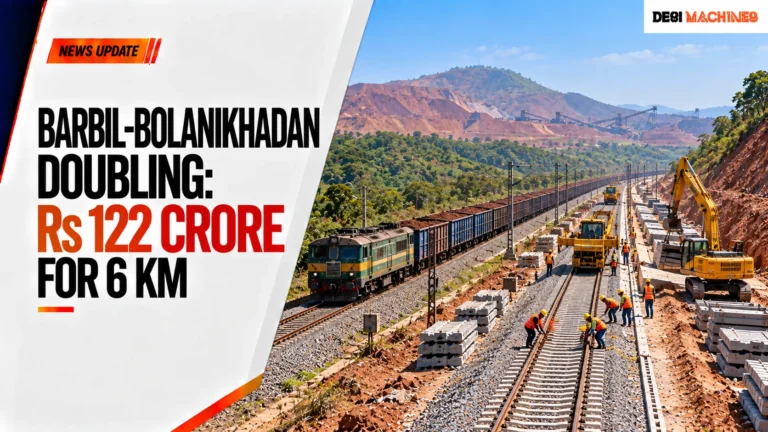
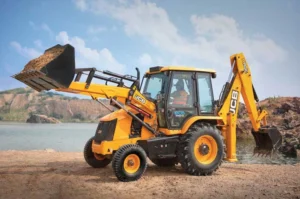
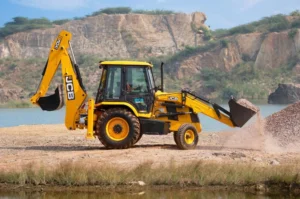
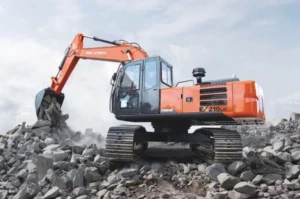
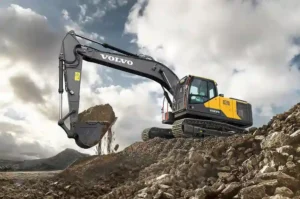
A new railway line, a doubling or a metro starts as earthwork: cutting and filling to level, building the embankment in compacted layers, and digging drains, culverts and bridge foundations. That part runs on the same machines as a highway job, which are excavators, dozers, motor graders, soil compactors and backhoe loaders.
The structures come next. Metro viaducts, station buildings, depots and rail bridges need transit mixers and concrete pumps for the piers and slabs, and pick and carry cranes to place reinforcement cages, pipes and precast pieces on site.
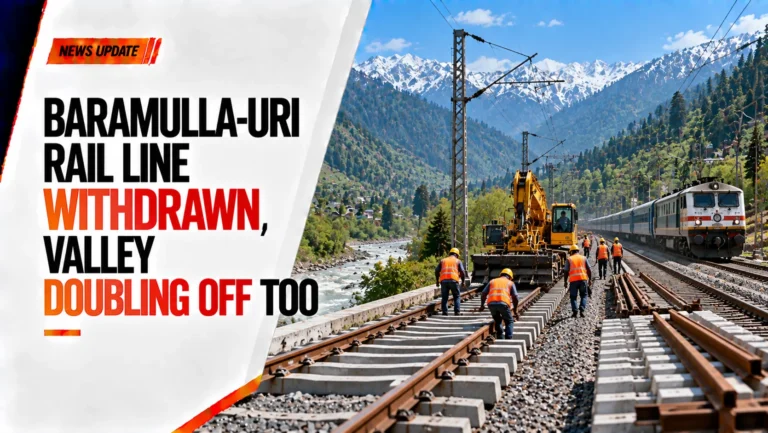
Some machines on these jobs are not listed on DesiMachines. Track-laying and tamping machines lay and pack the track, piling rigs bore the viaduct foundations, launching girders place the deck segments, tunnel boring machines dig underground metro lines, and tower and crawler cranes handle the heaviest lifts. Track and tunnel work usually goes to specialist contractors.
Where is railway and metro work concentrated in India?
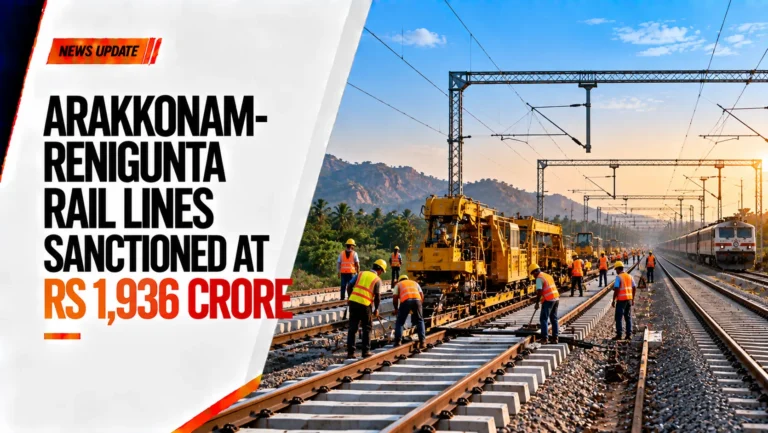
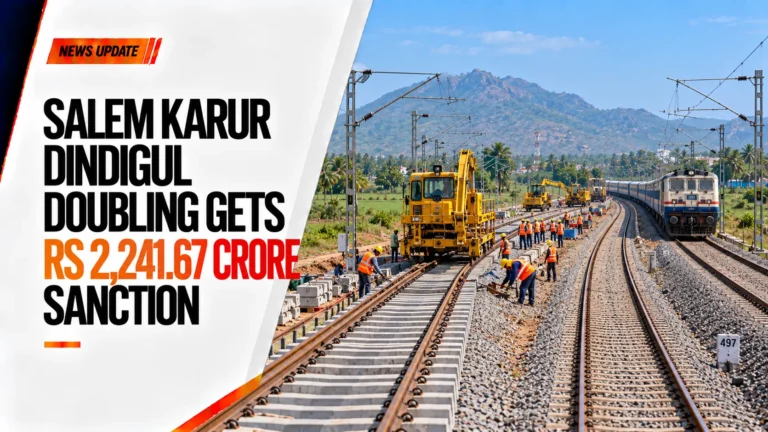
Railway work follows the plan for new lines, doubling and gauge conversion. According to the Ministry of Railways, 38 projects of new lines, gauge conversion and doubling falling fully or partly in Maharashtra had been sanctioned as on 1 April 2025. It also lists new lines in Chhattisgarh, among them Kharsia to Naya Raipur to Parmalkasa and Raoghat to Jagdalpur, and has sanctioned the Gunupur to Theruvali new line in Odisha.
The freight corridors cross the north and west. In its corporate plan, the Dedicated Freight Corridor Corporation of India routes the Eastern corridor through Punjab, Haryana, Uttar Pradesh, Bihar, Jharkhand and West Bengal, and the Western corridor through Haryana, Rajasthan, Gujarat, Maharashtra and Uttar Pradesh.
Metro and regional rail work sits in the large cities. The National Capital Region Transport Corporation, which builds the Namo Bharat trains, is owned by the Centre together with Delhi, Haryana, Rajasthan and Uttar Pradesh. The Ministry of Housing and Urban Affairs reported 145 km of metro under construction in Bengaluru, Karnataka, in August 2025, with new phases approved in Pune and Ahmedabad. The Mumbai to Ahmedabad high speed line runs through Maharashtra and Gujarat.
Each state page lists the machines, dealers and tenders for that state.
Who owns and builds India’s railway and metro lines?
Railway, metro and freight corridor work is owned by a few public bodies that award it in packages. Their main contractors and sub-contractors hire most of the earthmoving machines, so that is where a machine owner finds the work. The list is alphabetical, not a ranking.
| Company or body |
What it owns, builds or runs |
| Afcons Infrastructure |
Rail bridges such as the Chenab bridge, the Kolkata metro tunnel under the Hooghly and elevated metro stations |
| Dedicated Freight Corridor Corporation of India |
Ministry of Railways company that builds, maintains and runs the Eastern and Western freight corridors |
| Delhi Metro Rail Corporation |
Joint venture of the Centre and the Delhi government that builds and runs the Delhi metro |
| IRCON International |
Ministry of Railways company; turnkey builder of railway lines, bridges, station buildings and highways |
| Konkan Railway Corporation |
Runs the Konkan line through Maharashtra, Goa and Karnataka and owned the Chenab bridge work on the Kashmir rail link |
| Larsen & Toubro |
Railway, metro and regional rail systems work, and track and electrification on the Mumbai to Ahmedabad high speed line |
| National Capital Region Transport Corporation |
Owned by the Centre with four states; builds and runs the Namo Bharat regional rail around Delhi |
| National High Speed Rail Corporation |
Owned by the Ministry of Railways with Gujarat and Maharashtra; builds the Mumbai to Ahmedabad high speed line |
| Rail Vikas Nigam |
Executing arm of the Ministry of Railways for new lines, doubling, gauge conversion and electrification |

 Excavator
294 models
Excavator
294 models  Backhoe Loader
51 models
Backhoe Loader
51 models  Crane
68 models
Crane
68 models  Concrete Mixer
79 models
Concrete Mixer
79 models  Wheel Loader
54 models
Wheel Loader
54 models  Compactor / Roller
45 models
Compactor / Roller
45 models  Motor Grader
42 models
Motor Grader
42 models  Dozer
41 models
Dozer
41 models  Concrete Pump
66 models
Concrete Pump
66 models  Skid Steer Loader
11 models
Skid Steer Loader
11 models  Telehandler
13 models
Telehandler
13 models 


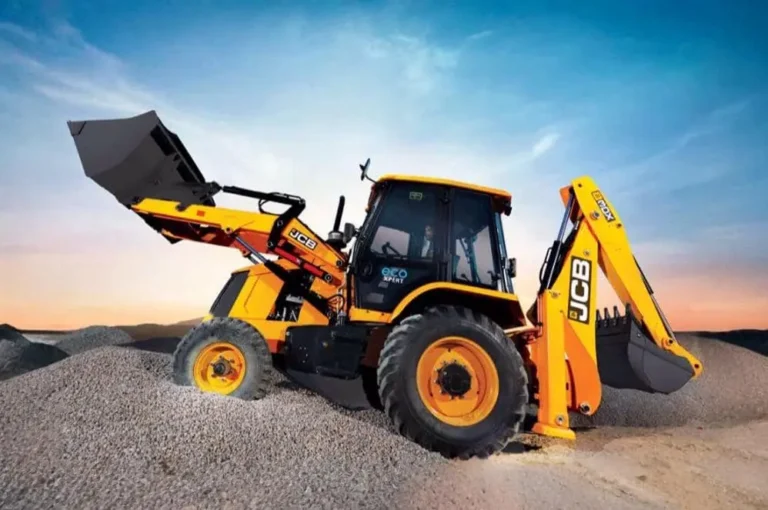 Most asked about
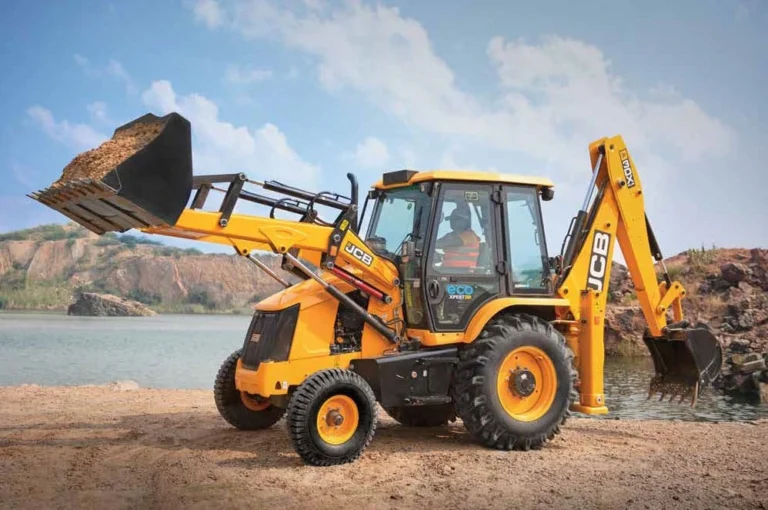 ₹ 35-39 Lakhs

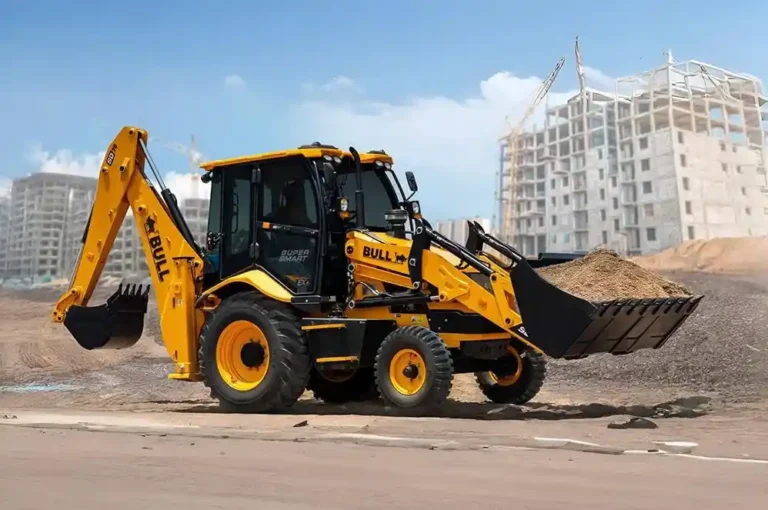 ₹ 30-36 Lakhs




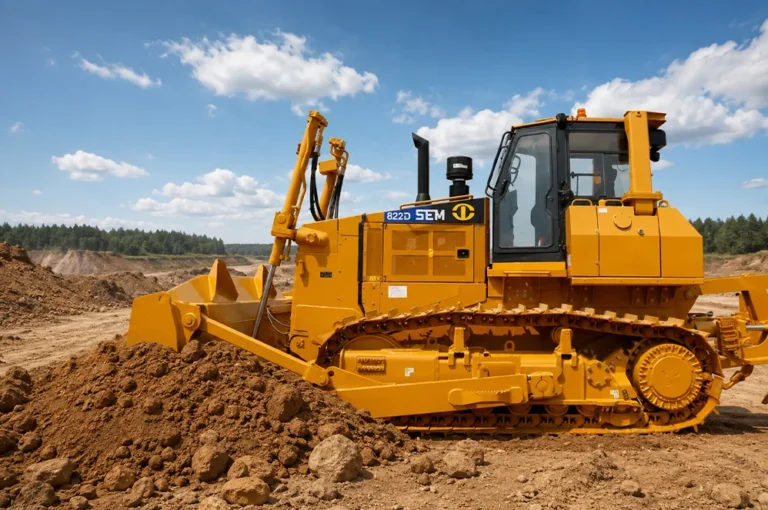 New · Aug 2026₹90 Lakh – 1.10 Cr
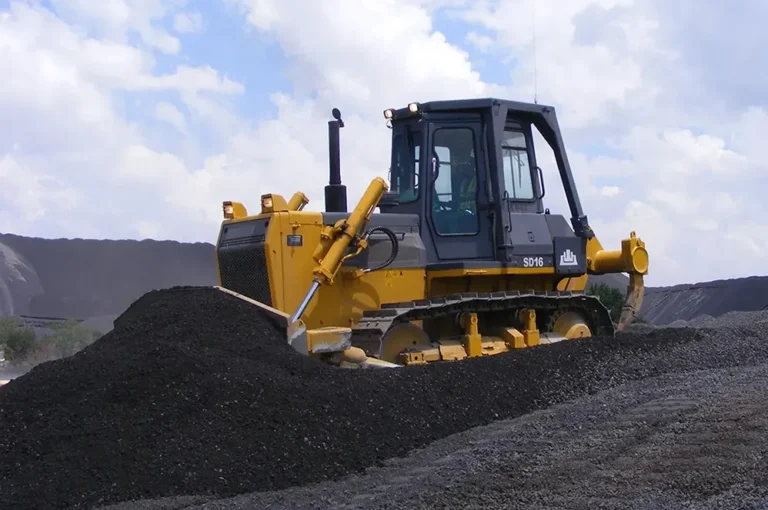 New · Aug 2026₹70 – 85 Lakh
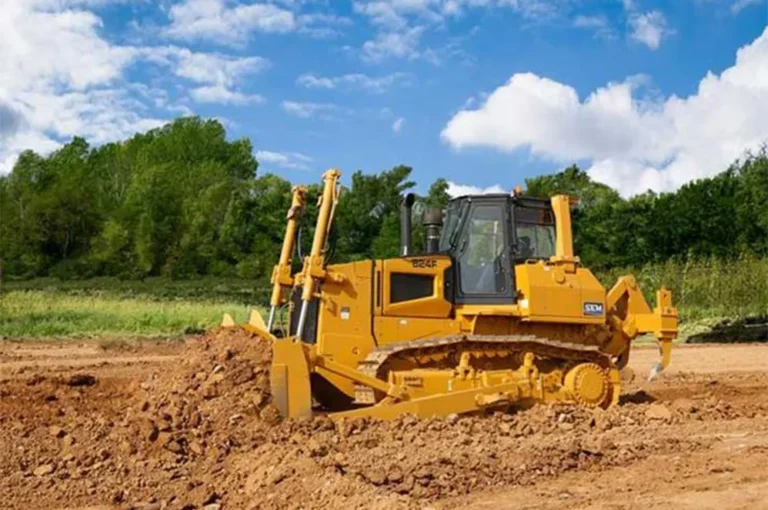 New · Aug 2026₹90 Lakh – 1.10 Cr
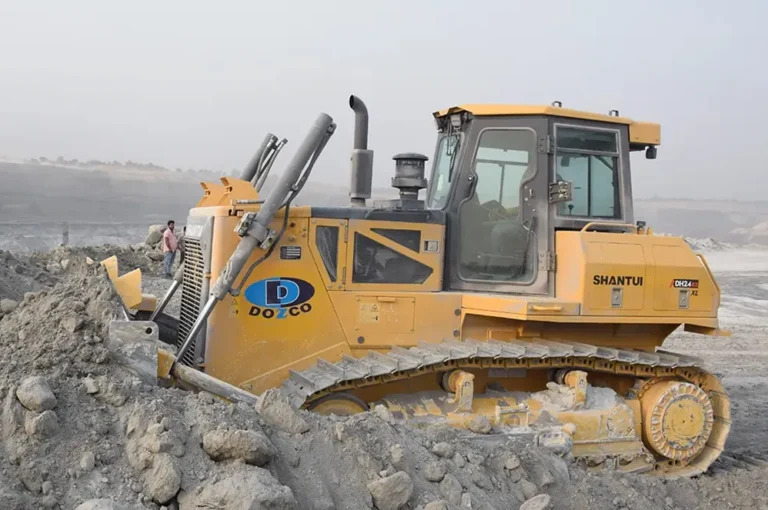 New · Aug 2026₹1 – 1.20 Cr
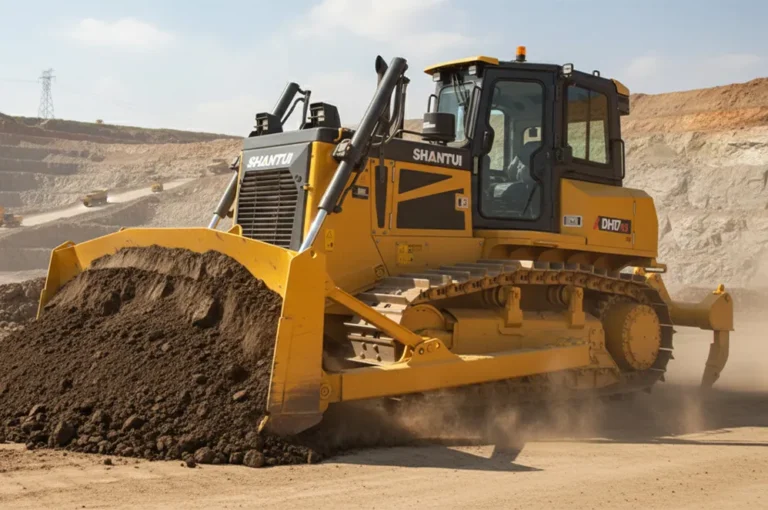 New · Aug 2026₹80 – 95 Lakh
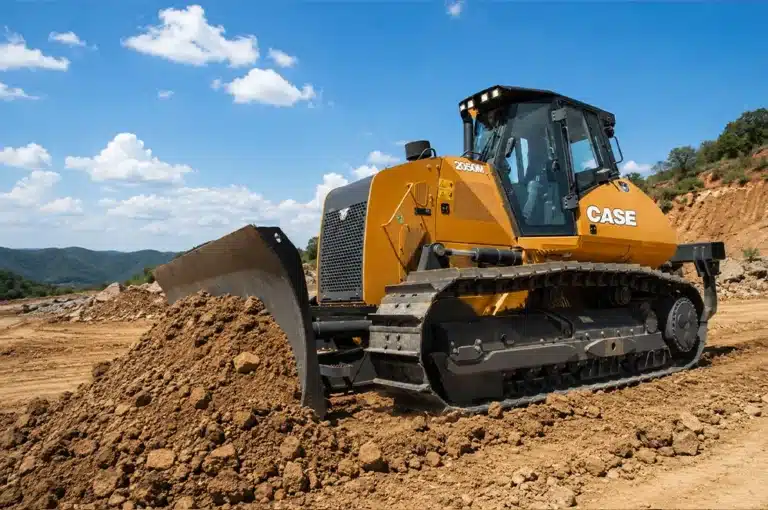 New · Aug 2026₹1.10 – 1.30 Cr