Excavator
294 models
 Backhoe Loader
51 models
 Crane
68 models
 Concrete Mixer
79 models
 Wheel Loader
54 models
 Compactor / Roller
45 models
 Motor Grader
42 models

 Concrete Pump
66 models
 Skid Steer Loader
11 models


A mining foreman certificate is the Mine Foreman’s certificate of competency that the Board of Mining Examinations at DGMS grants under the Metalliferous Mines Regulations, 1961, for every mine other than a coal or oil mine; coal mines use the Overman’s and Sirdar’s certificates under the Coal Mines Regulations, 2017. To sit the exam you must be 20 with 10+2, a Mate’s certificate, a first-aid certificate and, for underground work, a Gas-testing certificate. The test is a two-hour computer exam of 100 marks with a pass mark of 50, and the fee in the last notice (August 2025) was Rs 50. The certificate needs a medical endorsement every five years. A DGMS notice of 8 October 2026 still processes certificates under the 1961 and 2017 regulations; the replacement rules under the OSH Code are only in draft.
Fifty marks out of 100, in a two-hour computer test, separate a mining mate from a mine foreman. That pass mark comes from the Board of Mining Examinations’ bye-laws of August 2021. Reaching the test takes longer: about three years at the face for the Mate’s certificate first. This guide is for a quarry hand, driller or HEMM operator in a non-coal mine who wants the supervisor’s job.
What is a mining foreman certificate?
Regulation 12 of the Metalliferous Mines Regulations, 1961 (MMR) lists the certificates the Board grants. Item (d) is the “Mine Foreman’s certificate of competency to carry out inspections and duties as required under these regulations”. A mine foreman, in the same regulations, is a Manager’s or Foreman’s certificate holder appointed in writing to supervise a mine or part of it, and the term includes a Shift Boss.
The certificate is what makes the job legal. Regulation 37(2) says any official below the manager and above the mining mate must hold a Manager’s or Foreman’s certificate. After a shot is fired, regulation 166 lets only the blaster or a Foreman’s or Manager’s certificate holder appointed for the job enter the place first. A restricted certificate is endorsed “opencast workings only”, which suits most quarry staff; an unrestricted one also covers underground mines.
Which certificate applies to which mine
MMR applies to every mine other than coal and oil. Coal mines follow the Coal Mines Regulations, 2017 (CMR), which have no Foreman’s certificate. Fees are from DGMS’s notice for the December 2025 tests.
| Certificate | Kind of mine | Made under | Role it allows | Exam fee (Aug 2025 notice) |
|---|---|---|---|---|
| Mine Foreman’s | Metal and other non-coal | MMR 1961 | Shift boss, foreman, senior supervisor | Rs 50 |
| Mining Mate’s | Metal and other non-coal | MMR 1961 | Mining mate, first-line supervisor | Rs 30 |
| Blaster’s | Metal and other non-coal | MMR 1961 | Firing shots | Rs 25 |
| Overman’s | Coal | CMR 2017 | Overman, senior supervisor | Rs 600 |
| Sirdar’s (mining sardar) | Coal | CMR 2017 | Sirdar, first-line supervisor | Rs 400 |
| Gas-testing | Both | Mines Act 1952, per the notice | Testing for inflammable gas | Rs 300 |
Coal has no separate shot-firer’s certificate under CMR 2017. Regulation 190 lets the manager appoint a Manager’s, Overman’s or Sirdar’s certificate holder as shot-firer, with a Gas-testing certificate too for underground work. The guide to types of mines explains how the two worlds differ.
Who can sit the DGMS foreman exam
Regulation 15 of MMR sets the basics. You must be at least 20 and hold a valid first-aid certificate of the St. John Ambulance standard, and you file an age proof, a medical certificate from the past two years and a good-conduct certificate. The unrestricted exam also needs an unrestricted Mate’s certificate and a Gas-testing certificate; the opencast-only exam needs a Mate’s certificate.
The Foreman’s bye-laws (G.S.R. 562(E), August 2021) then set two routes:
- By examination: 10+2, or a diploma or degree in a subject other than mining engineering, plus a Mate’s certificate. No further experience is listed.
- On exemption, without the test: a diploma in mining and at least one year of practical experience in a metal mine after it.
For most workers the real gate is the Mate’s certificate, which asks for three years of practical experience. For the opencast-only version, at least 6 months must be in benching, sloping, dressing of sides and fencing, and at least 12 months in drilling, blasting and handling explosives. Drill crews log much of this; see the blast-hole drilling guide.
Where HEMM experience counts
DGMS’s exam FAQ accepts experience only on the prescribed form, signed by the mine manager, and only from a metal mine with an average daily employment of at least 60 underground or 160 in all. An opencast mine with fewer workers may still count if it held permission to use heavy earth-moving machinery under regulation 106 of MMR for the whole period. Ask your manager for a copy of that permission with your experience certificate.
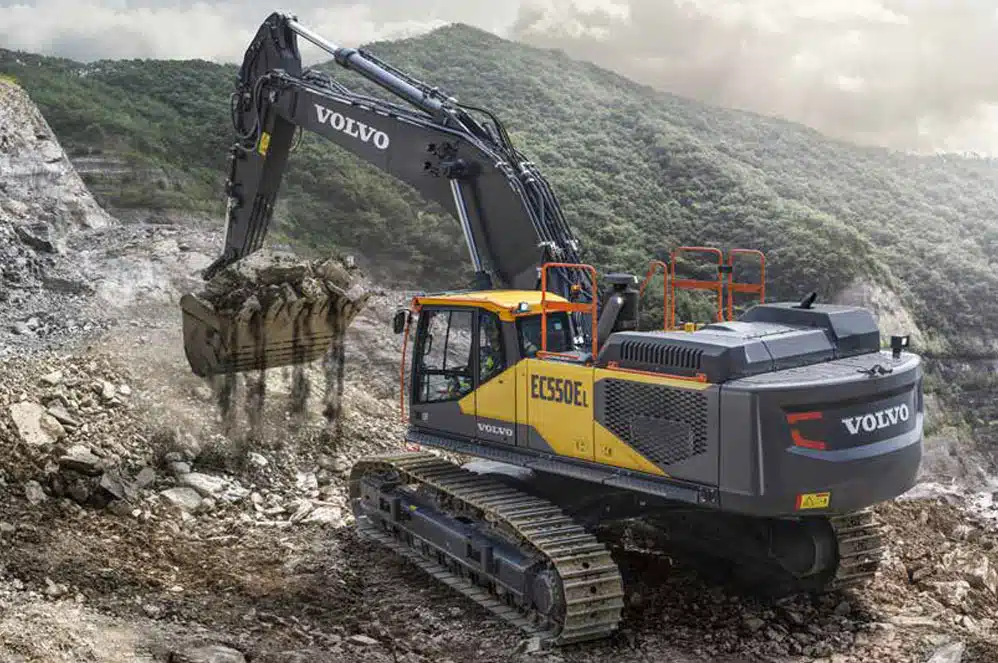
The “Elements of Mining Machinery” paper covers the safe use of shovels, dumpers, blast-hole drills, dozers and wheel loaders. An operator who has loaded dumpers with a face shovel such as the BEML BE1800E or a Tata Hitachi ZAXIS 400MTH already knows the bench and haul-road hazards it asks about. Compare excavators for mining and quarry work.
The exam: marks, papers and who runs it
The Board of Mining Examinations sits at Dhanbad, chaired by the Director General of Mines Safety. Under the 2021 bye-laws the Foreman’s exam is a computer-based test (CBT) of objective questions, two hours long, out of 100 marks, with 50 to pass. It covers general safety and legislation, methods of working, ventilation and precautions against explosions, fire and flooding, and mining machinery. It is held once a year “as far as practicable”.
The notice of 8 August 2025 set the last CBTs at 22 centres, from Ajmer to Guwahati. The Foreman (Unrestricted) paper was on 11 December 2025 and the restricted paper on 12 December.
How to apply, and why it may be on paper for now
For that round DGMS took applications online only, with fees paid through the government’s Bharatkosh site. Another DGMS notice says the application must reach DGMS within 21 days of paying, or it is rejected. Foreman’s applications go to the Board’s secretary at Dhanbad; Mate’s and Blaster’s go to your zonal office.
A DGMS notice signed on 8 October 2026 says the online Examination and Certification Portal “is presently not available for fresh registration”. Meanwhile, exemption-basis applications go offline in Form-II, with originals and four attested photographs. DGMS tendered for a new five-year digital exam platform in May 2026. As of 4 November 2026, its notifications page shows no date for a 2026 Foreman’s test.
Mining foreman certificate renewal and validity
Under regulation 30 of MMR, a Foreman’s certificate does not stay valid for more than five years unless the Regional Inspector endorses it after a medical examination within the preceding five years that finds you fit for duty. The regulation text DGMS hosts sets the fitness-examination fee at fifteen rupees.
After 60, regulation 31 bars you from acting as an official without a fitness certificate from the past year. A certificate can also be suspended or cancelled after an enquiry into incompetence, negligence or misconduct.
Check one detail with your zonal office. Regulation 30 accepts a medical done under rule 29B of the Mines Rules, 1955, but the OSH (Central) Rules, 2026 (G.S.R. 345(E), 8 May 2026) superseded those rules, so ask which medical certificate it now accepts.
Is the 1961 regulation still the law?
Yes, for now. The Occupational Safety, Health and Working Conditions Code, 2020 repealed the Mines Act, 1952 (section 143(1)(c)). Section 143(3) keeps regulations and bye-laws made under the old Act in force, so far as they do not conflict with the Code, until the Central Government repeals them. The 8 October 2026 notice still processes certificates “under the Coal Mines Regulations, 2017 and Metalliferous Mines Regulations, 1961”.
The replacements are drafts. The draft OSH (Metalliferous Mines) Regulations, 2026 (G.S.R. 109(E), Gazette of 4 February 2026) would rename the Foreman’s certificate a Mining Supervisor’s Certificate and the Mate’s an Assistant Mining Supervisor’s Certificate, with existing certificates deemed to carry the new names. The draft coal regulations (G.S.R. 67(E), 28 January 2026) do the same for Overman’s and Sirdar’s. On 4 November 2026, DGMS’s Gazette page still listed both as drafts.
What the certificate does for your pay
No DGMS document sets a mine foreman’s salary; pay depends on the employer. What the certificate changes is the posts you can legally hold, since shift boss and foreman jobs need it or a Manager’s certificate. Regulation 34(5) also lets the Chief Inspector grant a Foreman’s certificate holder a 12-month, renewable Manager’s Permit to run a mine of up to 75 underground workers or 150 in all.
It is the next rung to management too. Under the 2021 Manager’s bye-laws, a 10+2 candidate can sit the Second Class Manager’s exam after two years in a post that needs a Foreman’s or Mate’s certificate. For government pay benchmarks, including the Indian Bureau of Mines Mechanical Foreman post, see foreman salary in India, and for the largest employers, the top mining companies in India.
Your next step: ask your mine manager for an experience certificate on the DGMS form now, so it is ready when the next exam is notified, and watch the live mining contracts that need certified supervisors.
Exam fees, schedules, bye-laws and regulations change, and OSH Code regulations may replace the 1961 and 2017 rules — confirm current terms with the Board of Mining Examinations, your DGMS zonal office or your mine manager before applying.