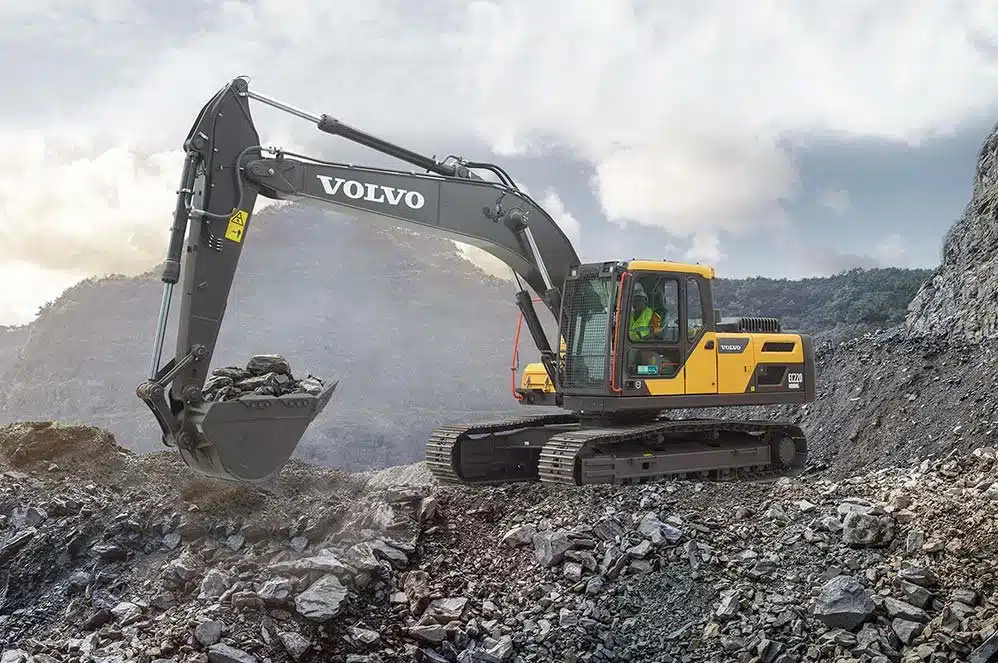
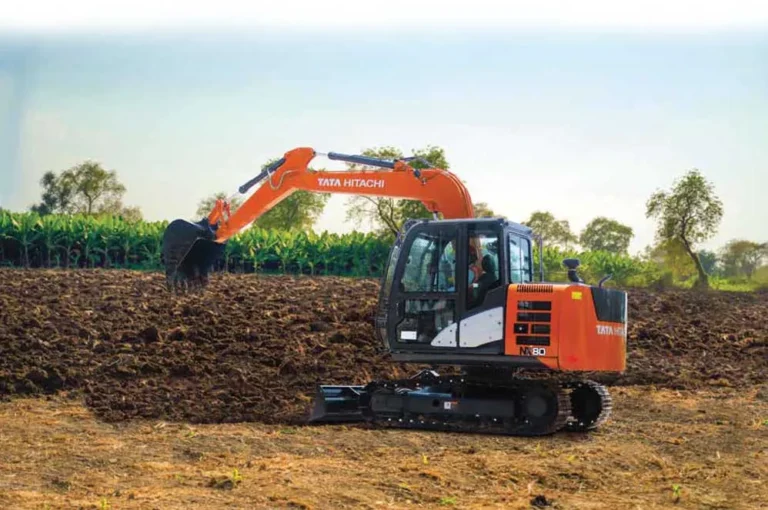
Excavator
294 models
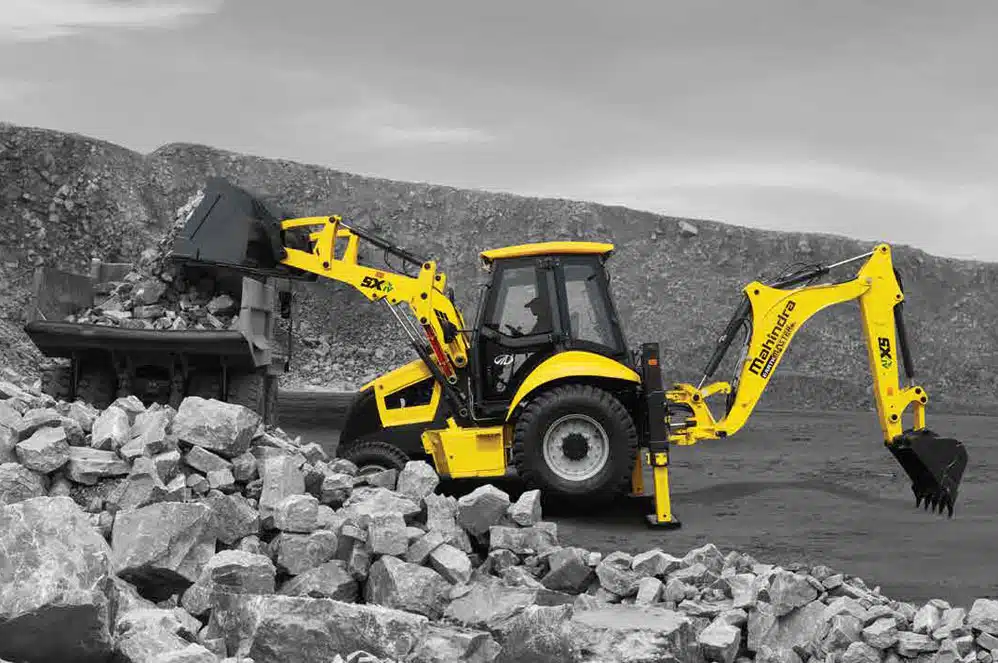
 Backhoe Loader
51 models
 Crane
68 models
 Concrete Mixer
79 models
 Wheel Loader
54 models
 Compactor / Roller
45 models
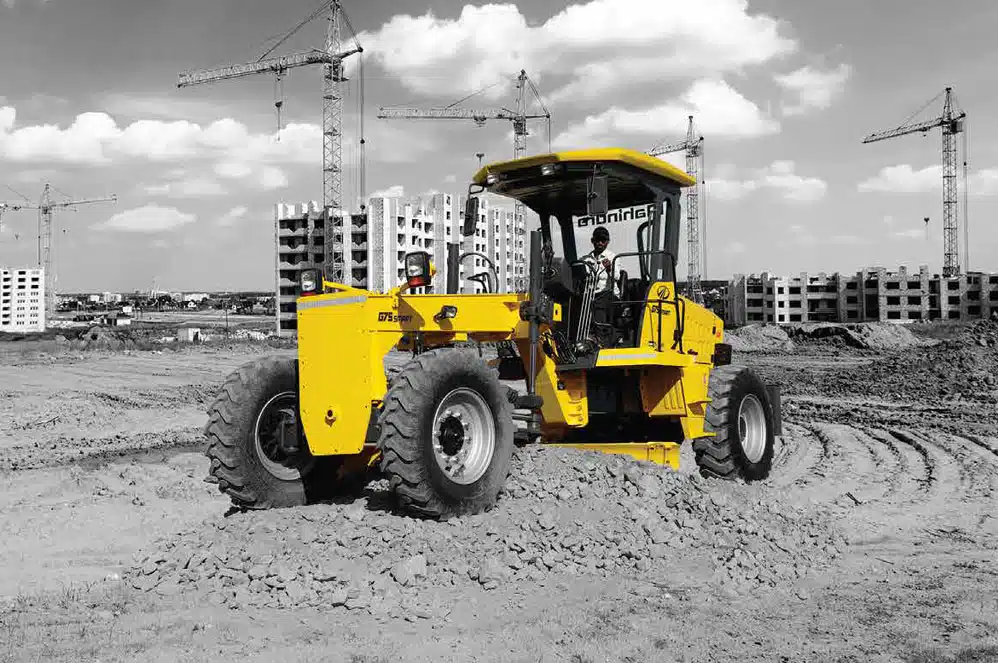
 Motor Grader
42 models
 Dozer
41 models
 Concrete Pump
66 models
 Skid Steer Loader
11 models
 Telehandler
13 models


HP PWD contractor registration, which the department calls enlistment, runs under the Rules for Enlistment of Contractors in HPPWD 2021, published in the Rajpatra on 4 June 2021. There are four classes. Class A bids without an upper limit, class B up to Rs 500 lakh, class C up to Rs 200 lakh and class D up to Rs 50 lakh. Enlistment fees are Rs 10,000, Rs 5,000, Rs 3,000 and Rs 1,500, plus a Rs 500 processing fee, and enlistment lasts five financial years. You apply online on the department’s enlistment portal. No class needs an owned fleet to enlist, but classes A to C must swear an affidavit that they will provide the machinery each tender asks for.
Take a contractor in Mandi with two tippers, a backhoe and a class C card who wants a Rs 3 crore road job. The contractor cannot bid for it. Class C stops at works put to tender up to Rs 200 lakh, and class B asks for certified experience the firm may not have yet. The class you hold decides which tenders you can bid for.
This guide follows the 2021 rules and later orders, with dates. The rules cover civil, electrical and mechanical contractors; the figures below are for civil works, where most machine owners enlist.
HP PWD contractor registration classes and tender limits
Table 1 of the HPPWD Enlistment Rules 2021 sets out the tender limit and entry tests for each civil class. Experience counts only if it comes from government or semi-government work done in the last five years, and certificates must be signed by an Executive Engineer or an equal officer. Work for private clients does not count.
| Class (civil) | Tender limit | Experience, single-work route | Banker’s certificate | Property | Enlistment fee |
|---|---|---|---|---|---|
| A | No upper limit | One completed work of at least Rs 200 lakh | Rs 5 lakh | Rs 25 lakh | Rs 10,000 |
| B | Up to Rs 500 lakh | One completed work of at least Rs 80 lakh | Rs 2 lakh | Rs 15 lakh | Rs 5,000 |
| C | Up to Rs 200 lakh | One completed work of at least Rs 30 lakh | Rs 1 lakh | Rs 10 lakh | Rs 3,000 |
| D | Up to Rs 50 lakh | None; middle or matric pass, above 18 | Not listed | Rs 5 lakh | Rs 1,500 |
Each class has two other experience routes. Class A also accepts three works of at least Rs 80 lakh each, adding up to Rs 240 lakh with two completed, or two works of Rs 120 lakh with one completed. Class C accepts three works of Rs 10 lakh with two completed, or two of Rs 20 lakh with one completed.
Rule 8.1 lets you bid in your own class and one step below. For periodical renewal and bitumen works you may go two steps below, if you meet the tender’s machinery conditions. Class A cannot bid in the class C and D bands, and class B cannot bid in the class D band. Classes A to C can work anywhere in Himachal. Class D is limited to its zone of enlistment, plus one more zone if you file an undertaking when you apply. Class D asks for middle or matric pass, but a letter of 23 July 2024 waived that for contractors who held class C under the 2015 rules and now re-enlist in class D. Some older department pages show lower class B and C limits; the 2021 rules replaced them.
Direct entry for engineers and diploma holders
An unemployed bona fide Himachali graduate in civil engineering or architecture can enlist straight into class B, and a diploma holder or a graduate in another stream straight into class C. A firm with no track record qualifies the same way through a qualified partner. Until they win two jobs, one road and one building, these contractors get relaxed experience and turnover conditions on tenders up to Rs 100 lakh in class B and Rs 50 lakh in class C.
What the enlistment asks about machinery
Item 9 of Table 1 lists the plant a class A contractor is expected to arrange “as per terms and conditions of the tender”, including shuttering, road rollers, air compressors, excavators, concrete mixers, tippers and a field laboratory. The class B and C lists add a loader with backhoe. What you file at enlistment is an affidavit, attested by a First Class Magistrate, that you will provide the tools and machinery each work needs. The rules do not set a minimum fleet for any class. Class D has no machinery requirement in Table 1; its applicants sign a shorter undertaking to provide machines once a work is awarded.
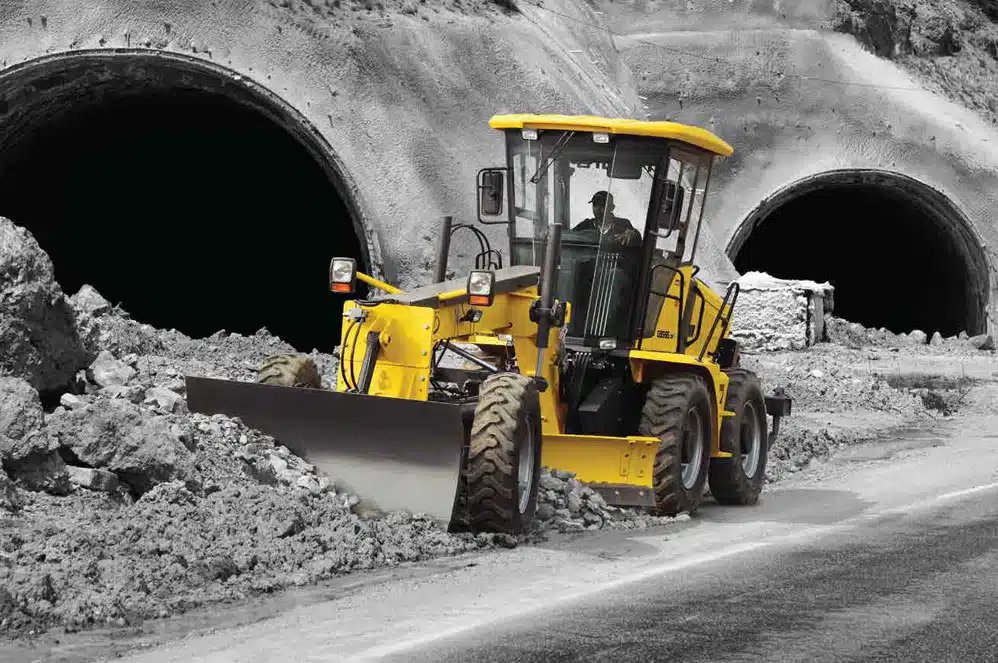
The affidavit form asks for each item and its quantity. If you own a JCB 3DX backhoe, an excavator or a motor grader, list each one by name and number, and keep the purchase papers and registration ready, because Rule 6.2 lets the enlistment authority verify anything you claim. Where you hire, the rules ask for the lease agreement as proof. Be careful: false particulars, or lacking the equipment, staff or money for your class, are grounds for blacklisting, demotion or removal under Rule 23.1.
Owning machines matters more on site than on the form. In August 2023, after that year’s rain damage, the Engineer-in-Chief wrote that most class D contractors did not own machines such as JCBs, poclains and tippers, and could not finish restoration works on time. The letter relaxed Rule 8.1 so every class could bid for those specialised works. That relaxation was extended only to 31 March 2024. A small contractor who owns a backhoe and a tipper is therefore better placed for the hill-road slip clearance and retaining-wall work the department tenders. If a machine is the gap, compare construction equipment loans before you apply for a higher class.
Documents for HP PWD contractor registration
Annexure II of the rules is the checklist for a new enlistment. The main items:
- The online application, proof of constitution (sole proprietor affidavit, registered partnership deed, or memorandum and articles) and any power of attorney.
- A banker’s certificate on the Annexure IV format, on the bank’s letterhead in a sealed cover, addressed to the enlistment authority.
- Affidavits for technical staff with copies of their degrees or diplomas. Class A needs a graduate civil engineer, a diploma engineer, a foreman and a work mistry; class B a diploma engineer, a foreman and a work mistry; classes C and D a foreman and a work mistry.
- The machinery affidavit, work certificates and award letters for the last five years (not needed for class D or fresh graduates), and PAN, GST and EPF numbers.
- Latest Jamabandi with a property affidavit and a valuation, a character certificate, and an affidavit that no partner has been dismissed, blacklisted or convicted.
No property in your name? The rules accept a surety from parents or grandparents, or a fixed deposit of the same value pledged to the enlistment authority. Upgrading also needs a chartered accountant’s turnover certificate and five years of income tax returns.
How to apply for HP PWD contractor registration online
Applications go through the HPPWD online enlistment portal. The steps below follow the department’s own user manual and process checklist.
- Register as an individual with your PAN, or as a firm with your GST number, and verify your mobile number by OTP.
- Log in, choose Enlistment New, Renew or Upgrade, then pick the class, the department (civil, electrical or mechanical) and your zone, circle, division and sub-division.
- Fill in the form, upload your documents and pay the processing fee online. You get an application number by SMS and email.
- The Executive Engineer checks the file and sends it on, or returns it for corrections. The Superintending Engineer and the committee review it next, and class A and B files can go up to the Chief Engineer.
- Once approved, pay the enlistment fee from your dashboard and download the certificate.
Who approves has changed twice. A notification of 15 December 2025 gave class A to the Engineer-in-Chief, classes B and C to the zonal Chief Engineer and class D to the circle Superintending Engineer. On 21 January 2026 the Engineer-in-Chief wrote that, until the portal is updated, cases would be handled under the previous order of 24 October 2024. That order had the Engineer-in-Chief handling classes A, B and C. Ask your division which office is deciding before you file.
How long HP PWD enlistment lasts and how to renew
Enlistment is valid for five financial years, and each revalidation adds five more. Renewal needs proof of work in your class during the period; for civil class C that means at least one completed work of Rs 50 lakh, with alternative routes. If you did not win enough work but bid in your class at least twice and qualified technically, or came second or third lowest, you get a two-year extension in the first instance.
| Class | Revalidation fee | Late fee per month |
|---|---|---|
| A | Rs 5,000 | Rs 1,000 |
| B | Rs 2,500 | Rs 800 |
| C | Rs 1,500 | Rs 400 |
| D | Rs 750 | Rs 200 |
The Rs 500 processing fee applies to renewals too. A late renewal is accepted for up to six months after expiry, and even one day into a month counts as a full month. After six months, you start again as a fresh applicant.
The 2026 cap on works in hand
Your class also caps how much work you can carry. A government letter of 30 May 2026 says that on the last date of bid submission, a class A contractor may hold no more than two works with a balance above Rs 20 crore each, and Rs 100 crore of balance work in all. For class B the figures are Rs 5 crore and Rs 20 crore; for class C, Rs 2 crore and Rs 8 crore. The cap covers CRIF, NABARD and state works.
The bottom line
Apply for the class your certified government work supports, since Table 1 checks every rupee of experience against Executive Engineer certificates. List your own machines honestly in the affidavit, keep lease papers for anything hired, and confirm which office is approving files. For how other states grade contractors, see the PWD contractor registration guide and the Rajasthan PWD registration rules. Once your certificate is in hand, track live government tenders and bid in your band.
Sources: HPPWD Enlistment Rules 2021 (Rajpatra, 4 June 2021), the online enlistment manual and checklist, and HPPWD orders dated 2023 to 2026 cited above. Rates, schemes, rules and fees change; confirm current terms with the department or an official source before applying. DesiMachines is not liable for decisions a contractor takes on information that may have changed after publication.