Excavator
294 models
Excavator
294 models  Backhoe Loader
51 models
Backhoe Loader
51 models  Crane
68 models
Crane
68 models  Concrete Mixer
79 models
Concrete Mixer
79 models  Wheel Loader
54 models
Wheel Loader
54 models  Compactor / Roller
45 models
Compactor / Roller
45 models  Motor Grader
42 models
Motor Grader
42 models  Dozer
41 models
Dozer
41 models  Concrete Pump
66 models
Concrete Pump
66 models  Skid Steer Loader
11 models
Skid Steer Loader
11 models  Telehandler
13 models
Telehandler
13 models 


India has no fixed fly ash price per ton. Thermal plants sell ash by open auction, and the Ministry of Power’s January 2026 guidelines set the floor at Re 1 a tonne. Mahagenco’s 2025-26 e-auction notices opened at ₹100 to ₹320 a tonne for dry fly ash and ₹97 to ₹558 a tonne for pond ash, ex-plant, plus 5% GST and your own transport. Road, embankment and dam agencies within 300 km of a plant get ash free, delivered at the plant’s cost, once the plant serves them notice.
One tonne of fly ash can officially cost you one rupee, nothing at all, or ₹558, depending on who you are and which plant you buy from. That spread is the whole story of fly ash pricing in India. The law treats ash as a waste the power plant must get rid of. The plants treat it as a product they can auction. Both are true at once, and the rules below decide which one applies to your load.
Fly ash price per ton at the plant: real auction rates
The clearest published numbers come from Maharashtra’s state generator, Mahagenco, which lists every ash e-auction notice with its opening rate. These are the estimated, base or floor rates each auction starts from, per metric tonne, ex-plant.
| Plant and quota | Ash type | Opening rate, ₹ per tonne | Notice period |
|---|---|---|---|
| Chandrapur, units 8 and 9, 80% quota | Dry fly ash | 100 (floor) | E-auction 8 Sep 2026 |
| Bhusawal, 20% quota for small-scale units | ESP dry fly ash | 221 | Jan to Feb 2026 |
| Parli, 20% concessional quota for local and project-affected users | Dry fly ash | 320 | Mar to Apr 2026 |
| Bhusawal, 20% quota for small-scale units | Pond ash | 97 | Mar 2026 |
| Parli, 20% concessional quota | Pond ash | 177 | Mar to Apr 2026 |
| Bhusawal, 60% quota (legacy ash) | Pond ash | 193 | Feb 2026 |
| Paras, 20% quota for MSMEs | Pond ash | 210 | Dec 2025 |
| Nashik, 20% quota (Group II) | Pond ash | 279 | Nov 2025 |
| Parli, 60% quota (Group I) | Pond ash | 353 | Oct 2025 |
| Paras, 60% open category | Pond ash | 419 | Dec 2025 |
| Nashik, 60% quota | Pond ash | 558 | FY 2025-26 |
Three things to read off this table. The reserved 20% quotas for small units open lower than the open 60% quotas at the same plant. At Chandrapur, bidders quote upward from the floor in ₹1 steps, so what a buyer finally pays can be more; the discovered prices are not published in these notices. And the Chandrapur notice adds that small-scale units are “currently being issued” dry fly ash from units 8 and 9 free of cost, even while the rest goes to auction from ₹100.
No other genco’s ash price list could be read for this article. NTPC’s site sits behind a bot wall, and the Haryana and Gujarat notices we found carry quantities and terms but no rupee rate. Treat the Maharashtra figures as one state’s evidence, not a national band.
How plants must sell ash now
The Ministry of Power’s revised guidelines of 30 January 2026, issued under the MoEFCC ash notification, set the order in which a plant disposes of its ash:
- Open auction first, with a predefined floor price of Re 1 per metric tonne.
- Whatever stays unsold is offered free on an “as is where is” basis, first come first served, to users willing to bear the transport.
- Anything still left goes, by notice, to road, dam, shoreline, mine and low-lying-area agencies within 300 km, delivered free with the plant paying transport.
Separately, each plant must reserve a share of fly ash for micro and small enterprises and for “local users” within 100 km, at a concessional rate. A committee at each plant, chaired by its head, fixes both the quantity and the rate. The guidelines name no rupee figure, which is why the concessional price differs from plant to plant.
Who gets fly ash free: the 300 km rule
The MoEFCC notification S.O. 5481(E) of 31 December 2021, amended on 30 December 2022 and 1 January 2024, requires government, semi-government and private agencies building roads, road and flyover embankments, dams and shoreline protection in coastal districts within a radius of 300 km of a coal or lignite plant to use ash. Since the 2024 amendment, the obligation runs from a written notice: the plant offers the ash, and the cost of ash and transport is borne by the plant. Mines within 300 km must mix at least 25% ash on a weight-to-weight basis, with the plant delivering ash free or on mutually agreed terms.
Beyond 300 km a plant can still supply ash, but its share of the freight is capped at the notional cost of road transport for 300 km, whatever the actual mode. The Central Electricity Authority’s 2024-25 ash report adds the practical picture: at pit-head plants the plant usually bears transport and handling, while at plants away from the mines, cement and brick makers usually bear transport because they are buying ash as a raw material.
Transport is the bigger number
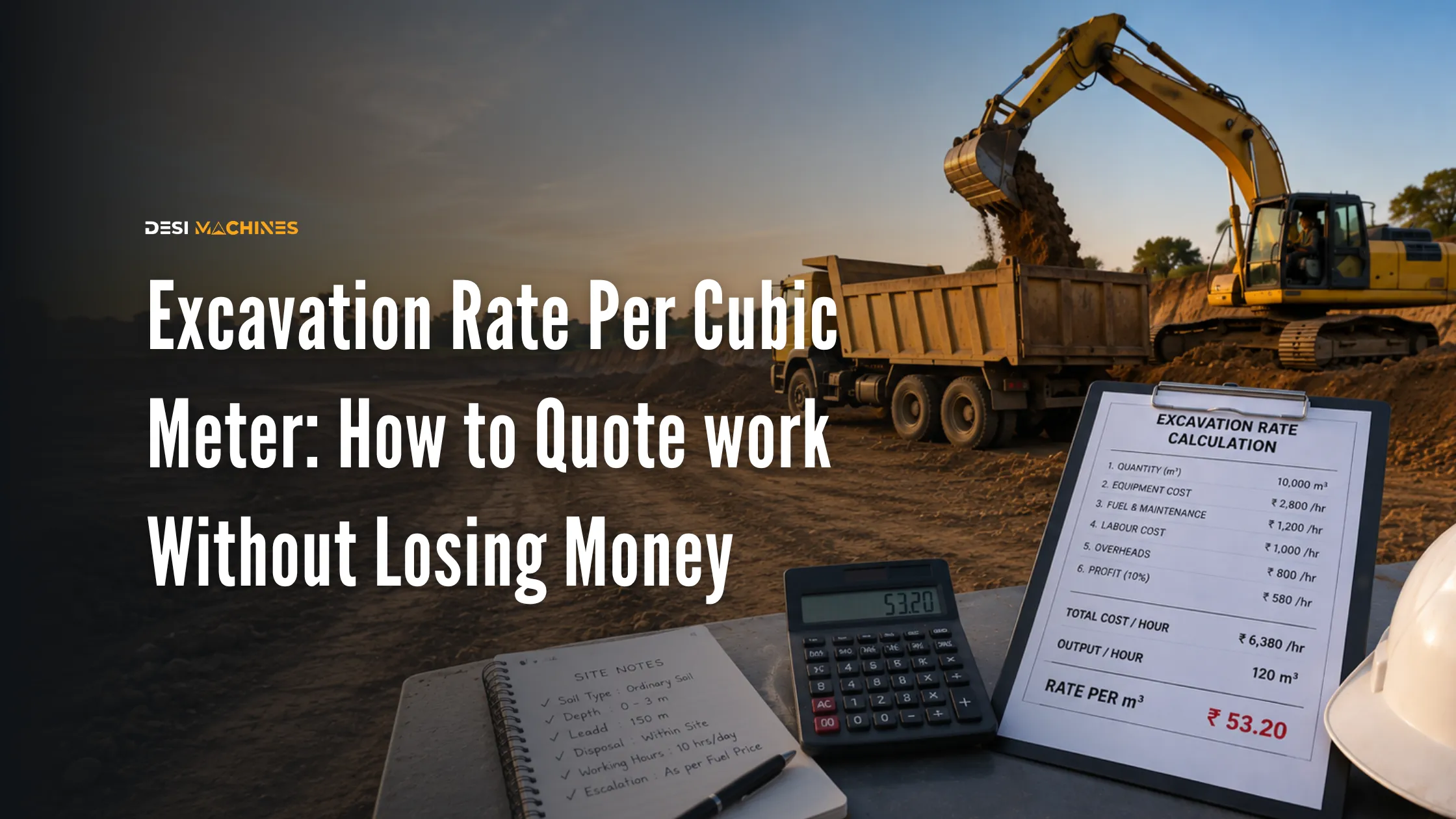
At ₹100 to ₹558 a tonne, the ash itself is often the smaller part of a delivered load. Mahagenco’s Chandrapur notice puts it plainly: the buyer makes his own arrangement for lifting, loading and transport. So the delivered price is the auction rate, plus GST, plus loading at the dyke or silo, plus freight for every kilometre to your yard.
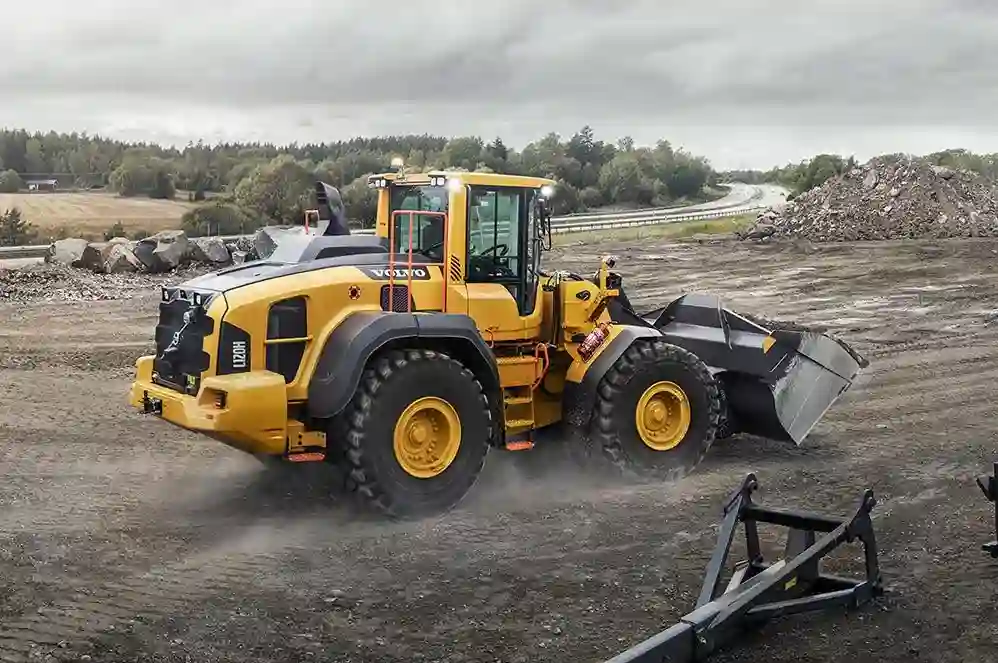
Pond ash is dug out of the ash dyke and loaded into trucks, which is loader and excavator work; a large wheel loader such as the Volvo L120H is the kind of machine that does it at volume. For the haul, compare tippers and dump trucks on payload, because freight is charged per tonne and per trip.
State schedules of rates show how much the haul matters. Maharashtra’s SSR 2022-23 prices fly ash conforming to IS 3812, delivered at a hot-mix, batching or crushing plant, at ₹1,745 a cubic metre excluding GST. Uttarakhand’s Roorkee block sheet of August 2024 lists the same item at ₹10 a cubic metre with no lead, and Haryana’s HSR 2021 at ₹4. The gap is mostly where the ash is assumed to come from and how far it travels.
Penalties a transporter and buyer must know
The ash notification puts money on the line for everyone in the chain:
- A plant that fails its utilisation target pays environmental compensation of ₹1,000 a tonne on unutilised ash. The target is 100% of the year’s ash, never below 80% in a year, averaging 100% over three years.
- A transporter or vehicle owner who delivers ash to an unauthorised user, or fails to deliver to the authorised one, pays ₹1,500 a tonne on that quantity, besides prosecution by the State Pollution Control Board.
- A user that does not use ash in an eco-friendly manner, or falls short of its obligation, also pays ₹1,500 a tonne; for building construction the levy is ₹75 per square foot of built-up area.
If you run tippers on ash contracts, keep the delivery paperwork for every trip. The penalty is per tonne, so one diverted load can wipe out the margin on many good ones.
GST on fly ash
Fly ash, heading 2621, is listed in Schedule I of Notification 9/2025-Central Tax (Rate), which carries 2.5% central GST and took effect on 22 September 2025. With the matching state GST that is 5%. Mahagenco’s notices state that the buyer pays GST on the sale price. The GST and HSN codes guide lists the rates for the rest of the material bill.
The bottom line
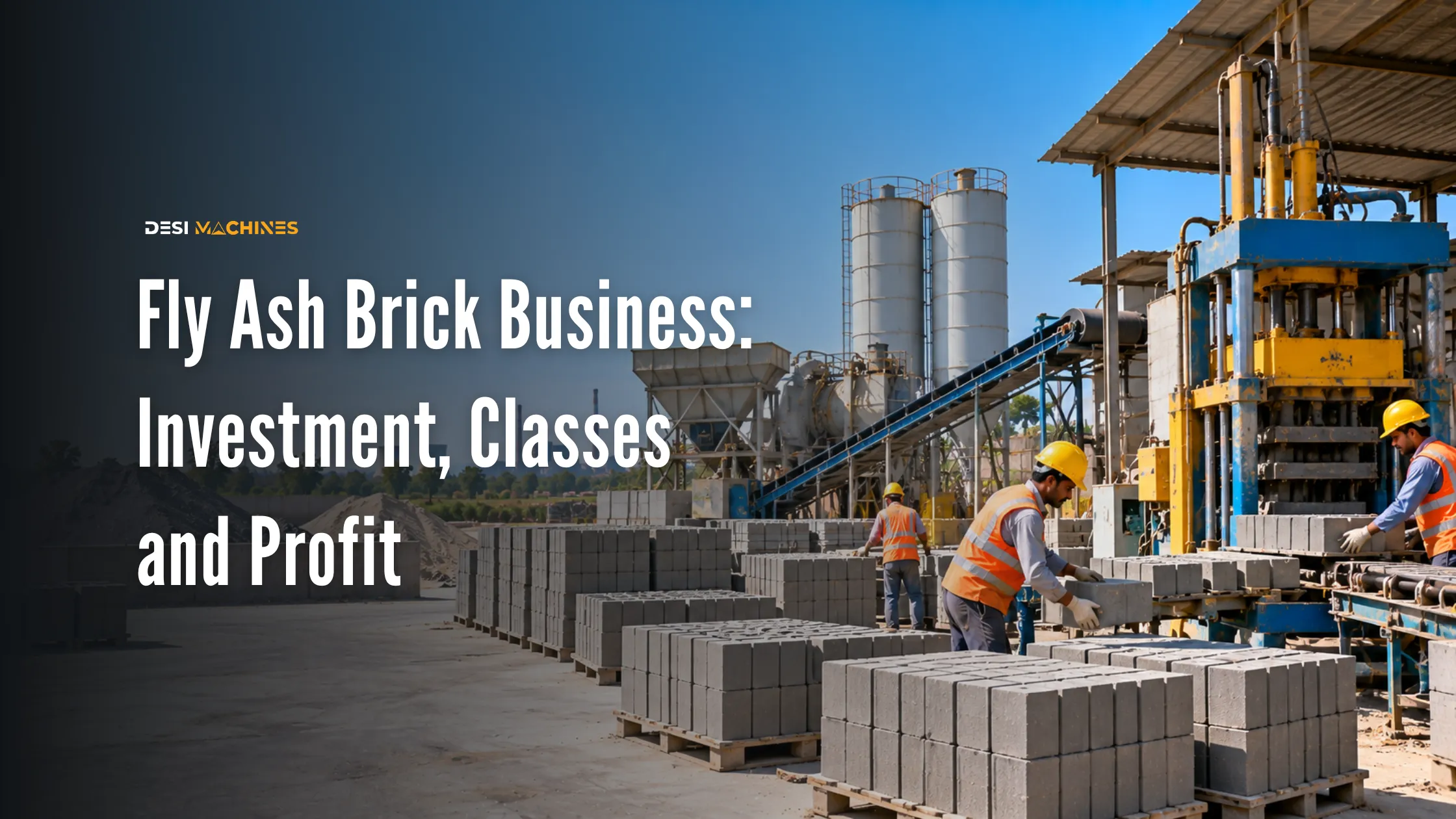
The fly ash price per ton in India is set by auction, from a floor of Re 1, and the one state that publishes its notices opened them at ₹100 to ₹320 for dry fly ash and ₹97 to ₹558 for pond ash in 2025-26, ex-plant. Road and embankment builders within 300 km can claim it free and delivered. Brick makers should ask the nearest plant about its reserved small-unit quota first, and price the haul before the ash. The economics of the brick side are worked through in our fly ash brick business breakdown.
The MoEFCC ash notification with its 2022 and 2024 amendments and Mahagenco’s list of ash e-auctions are the two documents to keep open. When the haul is yours, line up equipment finance for the tippers and loader that move it.
Rates here are the opening rates printed in the plant notices named, on the dates shown, and are indicative only; auction results, quotas and terms change with every notice. Confirm the current rate, quantity and GST with the plant or its auction portal, and confirm freight with your transporter or dealer, before you commit to a contract.