What is scrap handling equipment?
Every machine in an Indian scrap yard starts life as an ordinary excavator or loader. What turns it into scrap handling equipment is the tool on the end of the arm, one that grips, cuts or lifts metal instead of digging soil. The base machine is usually a 15 to 25 tonne (15,000 to 25,000 kg) excavator, and the attachment decides the work it can take.
A shear cuts. A grab picks up. A magnet separates. Those three cover most of a yard’s day.
| Attachment |
What it does |
Machine that carries it |
| Scrap shear |
Cuts plate, beams, pipe and cable into pieces small enough to charge a furnace |
Excavator, 15 to 30 tonne |
| Orange-peel grab |
Picks loose scrap off the pile and drops it into a wagon, a baler or a shredder |
Excavator, 15 to 25 tonne |
| Lifting magnet |
Pulls steel out of mixed waste and leaves the rest behind |
Excavator or pick-and-carry crane |
Sizing a shear to the machine that will carry it is the decision that costs money to get wrong, and it is worked through in the guide to the excavator metal shear and scrap shear attachment. Grabs and magnets come from attachment makers and are not listed here.
A yard also runs plant that is not construction equipment at all: shredders, balers, briquetting presses, gas cutting sets, purpose-built scrap handlers on a pedestal, forklifts and tippers. They are named here so the picture is complete. They are not machine classes you will find on this page.
Where is scrap and recycling work concentrated in India?
Ship recycling has one address. Nearly 98% of it happens at Alang and Sosiya in Gujarat, along a 10 km sea front on the Gulf of Cambay, where the Ministry of Ports, Shipping and Waterways counts 153 plots with a combined capacity of 4.5 million tonnes a year. Of those, 131 are allotted and 115 have been certified against the Hong Kong Convention, the international standard that the Recycling of Ships Act, 2019 brought into Indian law (Ministry of Ports, Shipping and Waterways, Shipping Wing).
Vehicle scrapping is spread out instead, because an old vehicle is not worth a long haul. The first registered vehicle scrapping facilities were built by a joint venture of MSTC and Mahindra Accelo, and the Ministry of Steel’s annual report for 2025-26 lists its six working centres at Kalyan in Maharashtra, Chennai in Tamil Nadu, Indore in Madhya Pradesh, Ahmedabad in Gujarat, Guwahati in Assam and Bengaluru in Karnataka. The same report puts their total at 42,424 vehicles recycled up to 31 December 2025, which came to about 26,072 tonnes of scrap steel.
Ferrous scrap processing follows the furnaces that consume it, and the Ministry of Steel designed that network as a hub and spoke: collection centres feed dismantling centres, which feed scrap processing centres with the shredders in them. Its Steel Scrap Recycling Policy, notified in November 2019, put domestic supply at 25 million tonnes a year from an unorganised trade, with another 7 million tonnes imported, and worked out that roughly 70 processing centres fed by 300 collection and dismantling centres would be needed to replace the imported part. That is the gap the machine demand sits in, and it is spread across every state with a steel furnace rather than concentrated in one.
Who are the main scrap and recycling companies in India?
Most scrap in India is still collected and traded by small operators, which is why the trade has few names known outside their own city. The companies below are the ones that publish what they do. The list is alphabetical, not a ranking, and each line describes the work the company itself says it carries out.
| Company |
What it recycles or processes |
| Attero |
Collects and recycles electronic waste and lithium-ion batteries, and recovers the metals in them |
| Cerebra Integrated Technologies |
Buys end-of-life and off-lease electronics, repairs or refurbishes what it can and recycles the rest |
| Exigo Corp |
Recovers secondary raw material from batteries, electronics and precious metals, and handles IT asset disposal |
| Ferro Scrap Nigam |
A Ministry of Steel undertaking at Bhilai in Chhattisgarh that recovers scrap from slag and handles scrap inside steel plants |
| Gravita India |
Recycles lead, aluminium, plastic, lithium-ion batteries and tyres; registered at Jaipur in Rajasthan |
| Hindalco Industries |
An aluminium and copper producer that returns process scrap and end-of-life aluminium to its own production chain |
| Mahindra Accelo |
Processes steel and recycles vehicles; its CERO business runs authorised vehicle scrapping facilities |
| MSTC |
A Ministry of Steel undertaking that runs scrap e-auctions and holds half of the joint venture behind those scrapping facilities |
| Priya Blue Industries |
Recycles end-of-life ships at Alang in Gujarat, on a plot it states is certified to the Hong Kong Convention |
The list leaves out the thousands of yard owners and traders who between them handle most of India’s scrap, because they publish nothing to quote.

 Excavator
294 models
Excavator
294 models  Backhoe Loader
51 models
Backhoe Loader
51 models  Crane
68 models
Crane
68 models  Concrete Mixer
79 models
Concrete Mixer
79 models  Wheel Loader
54 models
Wheel Loader
54 models  Compactor / Roller
45 models
Compactor / Roller
45 models  Motor Grader
42 models
Motor Grader
42 models  Dozer
41 models
Dozer
41 models  Concrete Pump
66 models
Concrete Pump
66 models  Skid Steer Loader
11 models
Skid Steer Loader
11 models  Telehandler
13 models
Telehandler
13 models 


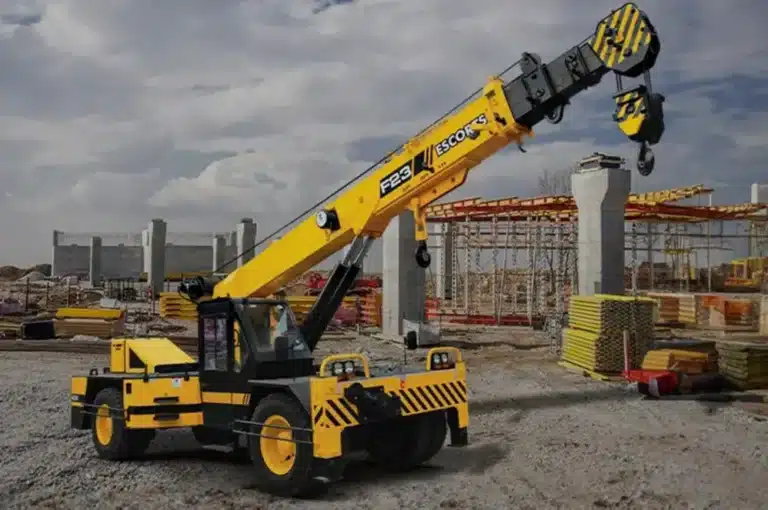 Most asked about


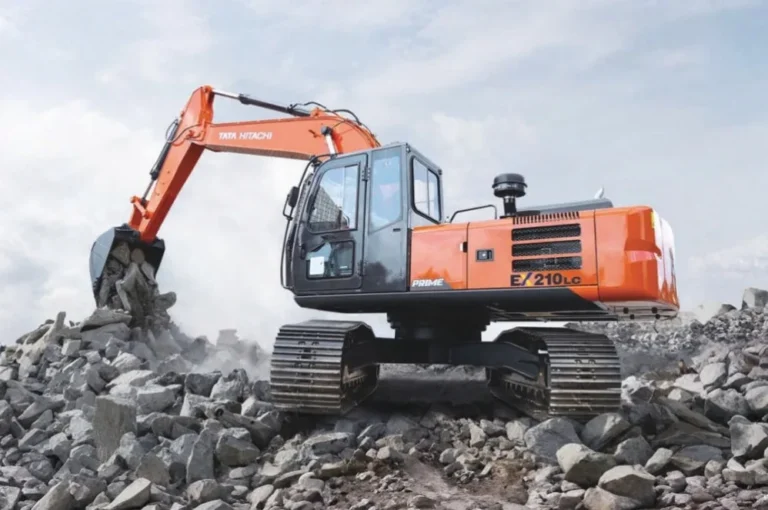 ₹60 - 65 lakh




 New · Sep 2026₹43.75 Lakh Onwards*
 New · Jun 2026Price on request
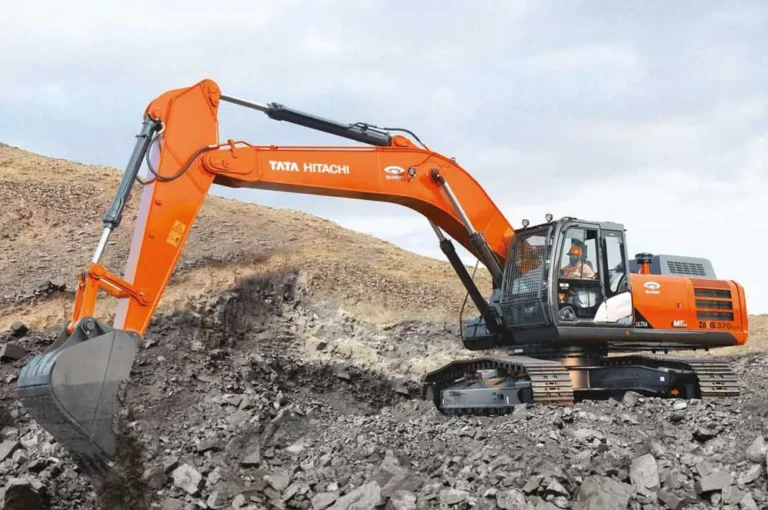 New · Jun 2026₹ 1.20 - 1.30 Crore
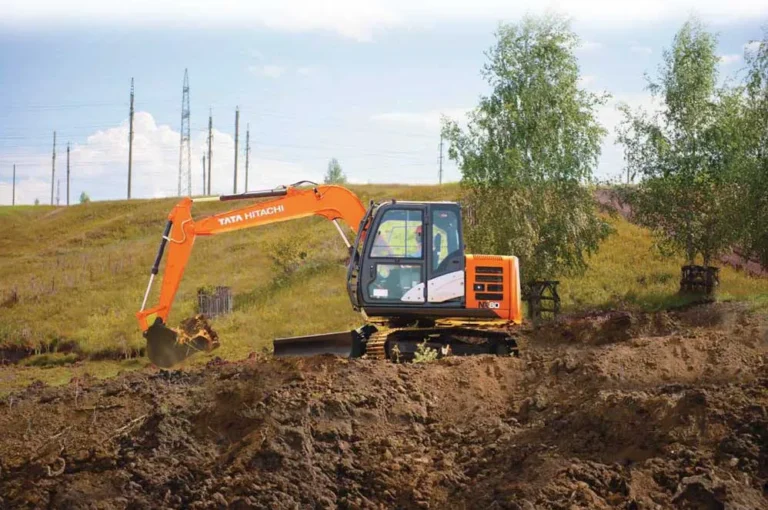 New · Jun 2026₹ 31 - 35 Lakhs