Which machines are used in sand mining?
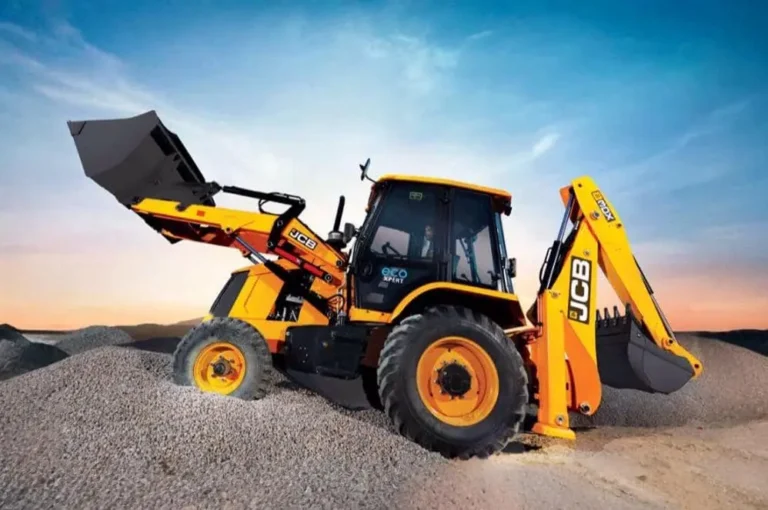
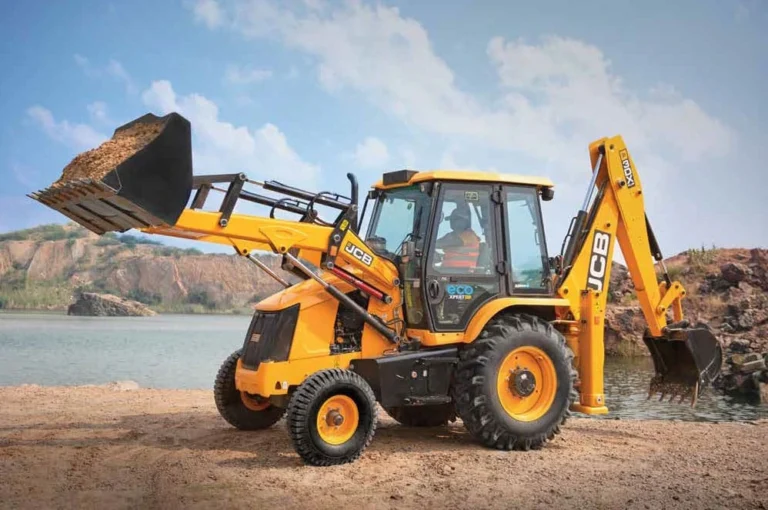
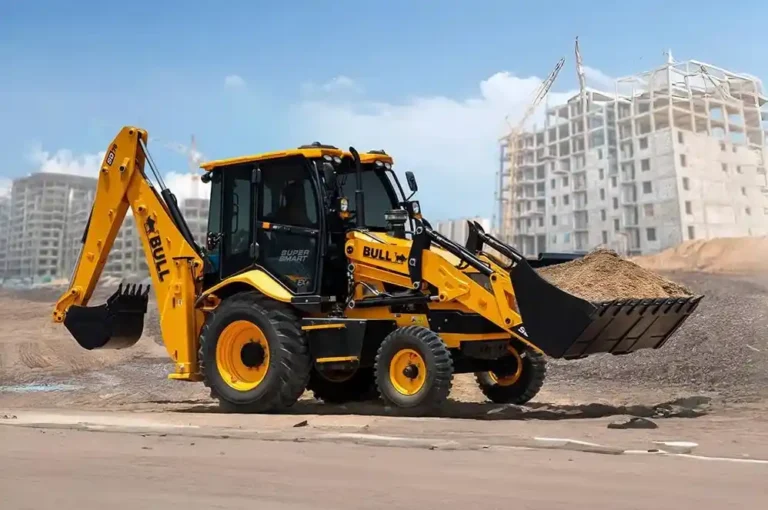
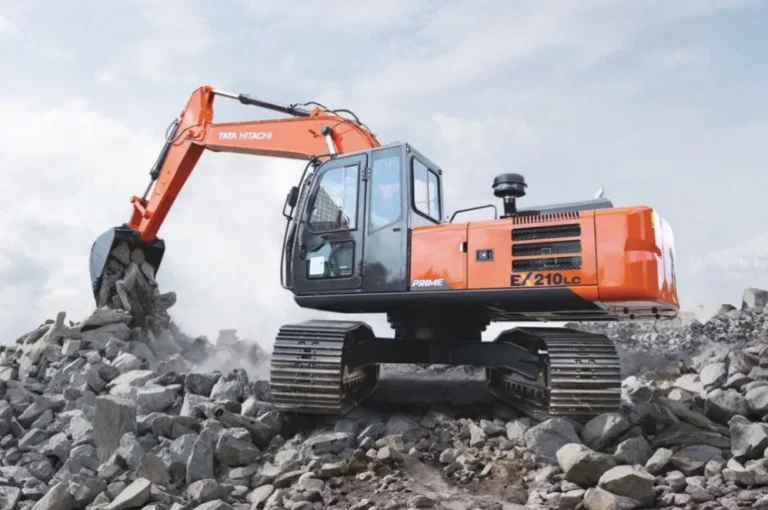
Sand mining runs on excavators and loaders. An excavator digs the sand at the reach (the marked stretch of river bed or field where a lease may dig) and loads it into tippers or tractor-trolleys. A wheel loader then stockpiles it at the stockyard and loads buyers’ trucks. On small reaches and on patta land (private farmland where floods have left sand), a backhoe loader often does both jobs. Tamil Nadu told the environment ministry, for its 2016 sand mining guidelines, that most of its Public Works Department sand quarries used two poclains each.
Sand does not only come from rivers. The ministry’s guidelines list six sources: river beds and flood plains, lakes and reservoirs, farm fields, the coast, palaeo-channels (old river courses now buried under the ground) and manufactured sand, or M-sand, which is crushed from rock. Each one changes the machine you need.
| Stage of work |
What happens |
Machines that do it |
| Marking the reach |
The lease is surveyed and its boundary and permitted depth are marked with pillars |
No machine; a survey team with DGPS or a drone |
| Approach road |
A kutcha track is laid from the bank to the digging area, and a ramp is cut for loaded vehicles |
Backhoe loader or dozer |
| Digging |
Sand is dug in strips, down to the depth the mining plan allows |
Excavators of 15 to 25 tonne on a big reach; a backhoe loader or small excavator on a small one |
| Desilting a reservoir or tank |
Silt and sand are lifted from the bed or the edge of a water body |
Long reach excavator working from the bank |
| Loading out |
Tippers and tractor-trolleys are filled and weighed before they leave the reach |
Excavator at the pit; wheel loader at the stockyard |
| Stockyard |
Sand is heaped, kept for the monsoon months and loaded for buyers |
Wheel loaders of 8 to 30 tonne |
| M-sand plant |
Rock, crusher dust or mine overburden is crushed, screened and washed into sand |
Wheel loaders feed the plant and load the finished sand |
Tippers, tractor-trolleys, weighbridges, sand pumps, dredgers, crushers and sand washing or screening plants are not listed here. How a long reach excavator lifts silt from a canal or tank is set out in the dredging and desilting guide, and what M-sand is made from, with its sizes, in quarry dust and M-sand.
Whether a machine may work a block at all is written into that block’s approved mining plan and environmental clearance, and the 2016 guidelines prefer manual digging wherever it will do. What happens to a machine caught working outside those papers is covered in illegal mining penalty; what sand sells for, in river sand price; and whether a sand supply business pays, in sand business profit.
Where in India is sand mined, and how?
In 2017-18 a Ministry of Mines committee sent Indian Bureau of Mines officials and consultants to 14 states to see how sand was being mined. Its Sand Mining Framework of March 2018 put national demand at about 700 million tonnes in 2016-17, rising 6 to 7 percent a year. The framework, the environment ministry’s 2016 guidelines and its 2020 enforcement guidelines are reproduced together in a ministry affidavit filed before the National Green Tribunal. The states below show how differently the work runs.
| State |
What the official record shows |
| Karnataka |
River sand met about 4 million tonnes of a 30 million tonne demand. 164 M-sand units made about 20 million tonnes a year, and 95 percent of the sand used in Bengaluru was M-sand (2018 framework) |
| Telangana |
A state corporation dug river sand from larger streams and by desilting reservoirs and tanks, through contractors it chose by competitive bidding. 44 M-sand units made about 7.2 million tonnes a year (2018 framework) |
| Tamil Nadu |
Under the state’s sand rules set out in the 2020 guidelines, the Public Works Department ran the quarries and depots and e-tendered three kinds of contract: digging and loading at the quarry, transport to the depot, and loading at the depot |
| Rajasthan |
Seasonal streams were dug up to 3 metres and loaded into trucks by hand or semi-mechanised. Around Bikaner, which has no river, sand lay in palaeo-channels 5 to 20 metres below ground under 5 to 20 metres of cover, and was worked in open-cast benches, then sieved, graded and washed (2016 guidelines) |
| Madhya Pradesh |
Sand was earlier allotted to the state mining corporation, which hired contractors by competitive bidding to dig it (2018 framework) |
| Uttar Pradesh |
Reported both manual and semi-mechanised mining (2016 guidelines) |
For a machine owner, the useful pattern is the contract. Where a state agency holds the blocks, the work goes out as raising contracts for digging and loading, and the agency decides how many machines a reach may run. Where blocks are auctioned, the lessee runs the work and hires its own machines. On a river bed, the 2020 guidelines work out a lease’s reserve from a depth of no more than 3 metres and cap what one hectare may yield at 60,000 tonnes a year. That cap, more than the size of the river, decides how much excavator a reach can keep busy.
Who runs sand mining?
Most sand blocks are worked by small lessees and contractors, and in several states by a state agency, so there is no short list of large sand mining companies. These are the bodies a sand mining contractor deals with. The list is alphabetical, not a ranking.
| Body |
What it does in sand mining |
| District Collector |
Makes sure, with the State Pollution Control Board, that each lease keeps the conditions of its environmental clearance |
| Indian Bureau of Mines |
Its officials made the state visits behind the Ministry of Mines’ 2018 Sand Mining Framework |
| Ministry of Environment, Forest and Climate Change |
Issued the Sustainable Sand Mining Management Guidelines 2016 and the Enforcement and Monitoring Guidelines for Sand Mining 2020 |
| Ministry of Mines |
Issued the Sand Mining Framework in March 2018 to help states frame their sand policies |
| National Green Tribunal |
Hears cases on sand mining and its harm to rivers; the environment ministry’s affidavit linked above was filed before it |
| State Environment Impact Assessment Authority |
Grants the environmental clearance for every sand mining lease, whatever its size, since a 2022 notification |
| State mining and geology departments |
Find and survey sand reaches, allot or auction the blocks and issue transport permits |
| State Pollution Control Boards |
Share that monitoring with the Collector and sit on the committee that inspects each lease |
| Sub-divisional committee |
A team headed by the Sub-Divisional Magistrate that inspects each proposed lease on site before it is cleared |
The roles above come from the 2016 and 2020 guidelines, the 2018 framework and the environment ministry’s account of its 2022 notification, all in the affidavit linked above.

 Excavator
313 models
 Backhoe Loader
51 models
 Crane
68 models
 Concrete Mixer
79 models
 Wheel Loader
54 models
 Compactor / Roller
45 models
 Motor Grader
42 models

 Concrete Pump
66 models
 Skid Steer Loader
11 models


 Most asked about
 ₹ 35-39 Lakhs
 ₹ 30-36 Lakhs
 ₹60 - 65 lakh
 ₹62 - 72 lakh


 New · Nov 2026₹ 32 - 35 Lakhs
 New · Nov 2026₹ 34 - 37 Lakhs
 New · Nov 2026₹ 54 - 58 Lakhs
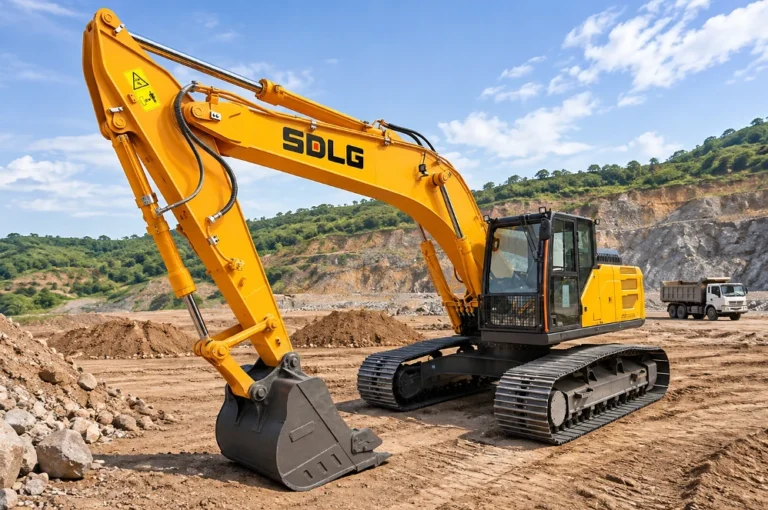 New · Nov 2026₹ 58 - 62 Lakhs
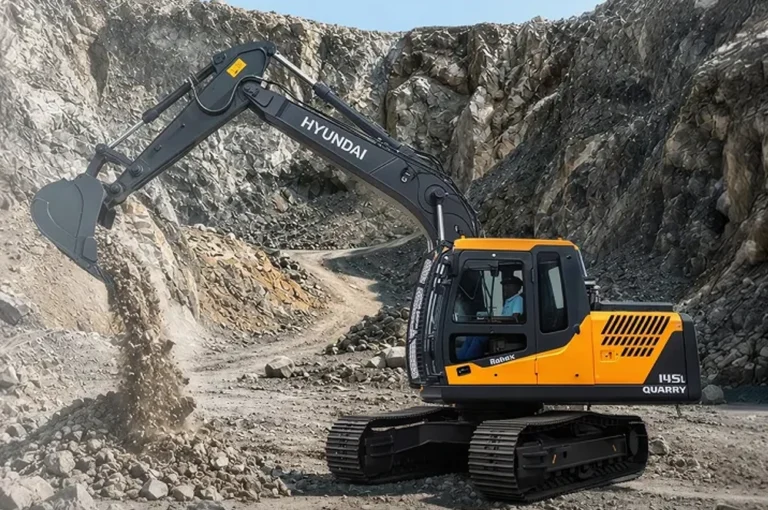 New · Nov 2026₹ 50 - 53 Lakhs
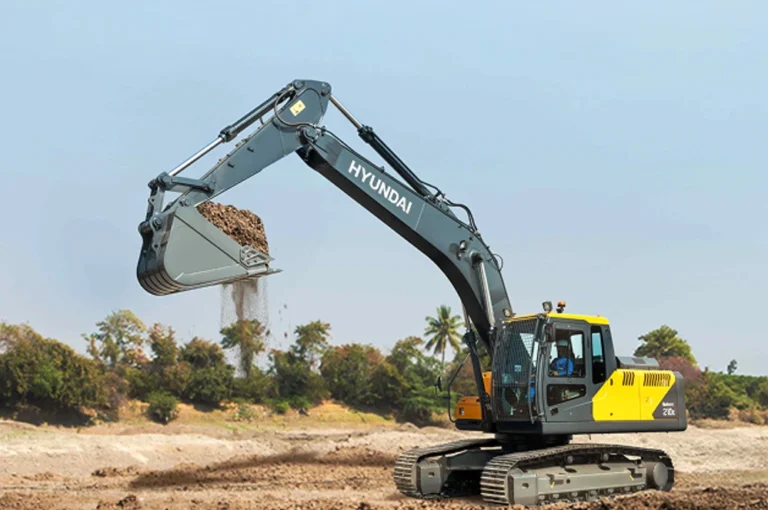 New · Nov 2026₹ 60 - 64 Lakhs